62 articles to prepare your trip
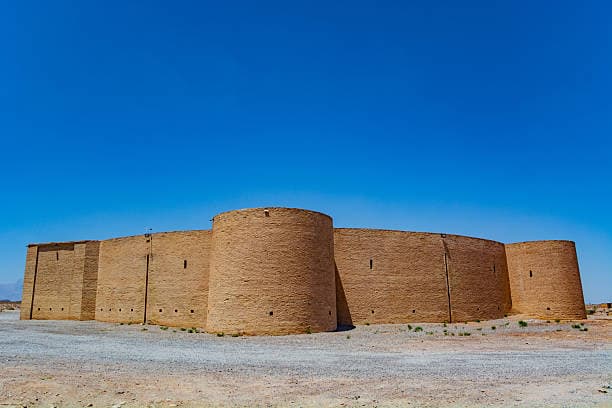
Located 35 km southeast of Yazd, the Saryazd fortress is a remarkably preserved Safavid defensive caravanserai built in rammed earth, a testament to the caravan routes crossing the Dasht-e Kavir desert.
Erected by Jacques de Morgan in the late 19th century, Suse Castle overlooks the archaeological site of ancient Suse, the Elamite capital and residence of Achaemenid kings, inscribed on the UNESCO World Heritage List.
Natural spring and Sassanid rock art site in Fars province, Sarab-e Bahram shelters rock-carved reliefs of Bahram II carved into the cliff face. A subtle and authentic complement to visiting Bishapur and Tang-e Chogan.
Sang-e-Sia is an old quarter of Shiraz where earthen-brick alleyways, artisan workshops, and neighborhood mosques reveal everyday Iranian life far from celebrated monuments.
Dominating Meybod from an artificial mound, the Citadel of Narin is one of Iran's oldest adobe fortresses. A striking testament to central Iran's defensive architecture, best combined with the nearby caravanserai and ice house.
Miankaleh is a UNESCO biosphere reserve peninsula in northern Iran, between the Caspian Sea and Gorgan Lagoon. In winter, hundreds of thousands of migratory birds make a stopover here, including the rare Dalmatian pelican.
Mehriz, at the edge of Yazd's desert, is your departure point for Saryazd Castle, a Sassanid-era rammed-earth fortress, and orchards fed by millennia-old qanat networks.
Built in the 17th century by Shah Abbas I, the Maranjab caravanserai stands alone in Iran's salt desert. Dunes, starry skies, and intact Safavid architecture for an unforgettable stop.
Nestled within a garden in Shiraz, the tomb of Khwaju Kermani honours one of the great Persian poets of the 14th century. A place of literary remembrance, serene and authentic, to combine with the mausoleums of Hafez and Saadi.
Perched above 1,800 meters in the eastern Alborz massif, Abr Forest offers a rare landscape of mist and ancient trees in Iran. A protected natural site to explore from Shahroud.
On the northern coast of Kish Island, the Harireh ruins are the remains of a thriving medieval port city (10th–14th centuries), built in coral stone overlooking the Persian Gulf.
Haft Tapeh, meaning 'seven hills' in Persian, is an Elamite archaeological site from the 2nd millennium BCE near Suse in Khuzestan. Royal vaulted tombs, cuneiform tablets and an on-site museum make it a key destination for ancient history enthusiasts.
A limestone canyon in Fars region, Chogan Gorge features Sassanid bas-reliefs and is best visited in combination with Pasargades and Persepolis departing from Shiraz.
Beneath Kish Island, the coral galleries of Kariz reveal an ancient hydraulic system transformed into a unique cultural space. An unusual and refreshing stop in the heart of the Persian Gulf.
At the heart of Imam Reza Shrine in Mashhad, the Astan Quds Razavi Central Museum houses thousands of Islamic art objects: illuminated manuscripts, Safavid carpets, and court metalwork spanning fourteen centuries.
A rare circular Safavid caravanserai deep in the Dasht-e Kavir desert, Zein-o-Din welcomes travellers into its original vaulted cells, facing a starlit sky unmarred by light pollution.
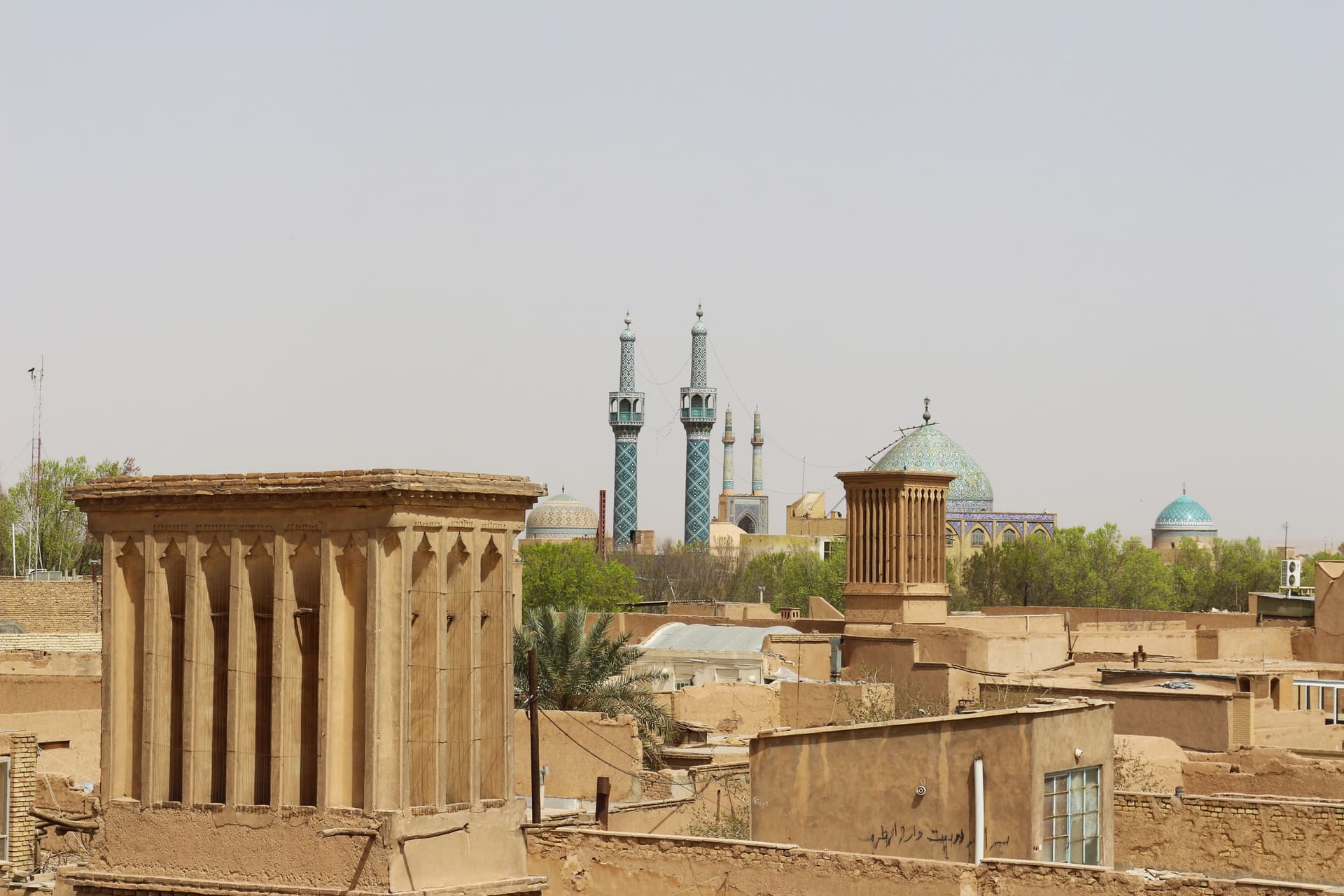
A labyrinth of rammed-earth lanes, a forest of wind towers and an ancient Zoroastrian flame: Yazd's old city, inscribed by UNESCO, is one of Iran's best-preserved historic settlements.
At the heart of Yazd, the Water Museum traces two millennia of hydraulic ingenuity through scale models, tools, and a descent into an underground qanat still in use.
18 of 62 results
We use cookies to improve your experience and measure our site's audience. You can choose what you accept. Learn more.