Dasht Desert
Dasht Desert
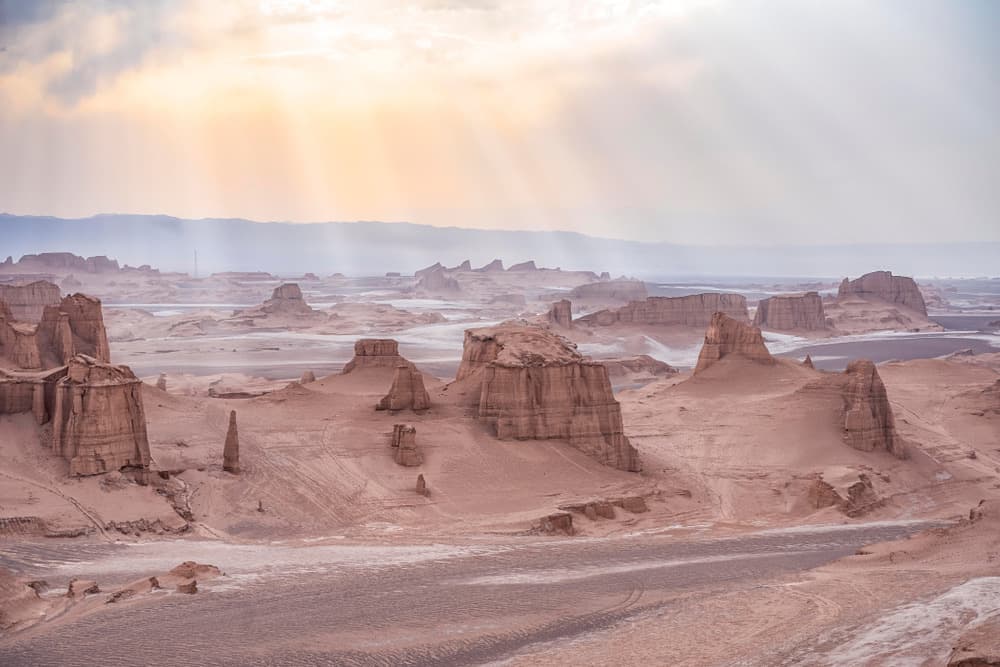
Wind-sculpted yardangs, Kalouts at sunset, and a planetary heat record: Dasht-e Lut, a UNESCO desert in southeastern Iran, reveals itself from Kerman.
In the southern part of Iran, Dasht-e Lut stands as a particularly compelling adventure destination for desert enthusiasts. The journey begins in the Kerman Province. Here's what you need to know.
Introduction
Nothing but dunes, sand castles, and rocky ridges overlooking rust-red laterite. The Dasht-e Lut desert, also known as Dacht-e Lout or Dasht-e Lut, beckons travelers passing through Kerman Province in southeastern Iran. You'll traverse one of the hottest deserts on the planet, where all forms of life have developed remarkable survival adaptations. An arid universe shaped by wind, time, and intense yet rare rains that evaporate rapidly, leaving behind only salt crystals. A desert as forbidding as it is mesmerizing, where lovers of vast spaces, adrenaline, and journeys to the ends of the earth can lose themselves entirely.
Historical Notes
Lut has three different spellings – Dasht-e Lout, Dacht-e Lout, or Lut Desert. It takes its name from Lot, the biblical and Quranic figure, to whose aid two divine messengers were sent at Sodom and Gomorrah.
The great Lut salt desert is administratively encompassed within Kerman and Sistan and Baluchestan provinces. Its yardang formations carved by wind gusts earned it special UNESCO distinction. The institution sees it as "an exceptional example of ongoing biological processes." The desert stretches 480 kilometers long by 320 kilometers wide.
Lut's extreme aridity makes it unique worldwide. NASA satellites recorded a temperature of 70.7°C in Dasht-e Lut – the highest temperature ever recorded on Earth's surface.
Highlights of the Site
By camel or 4x4, journey toward an utterly singular landscape where your only horizons are golden sand and azure sky. Dasht-e Lut is scattered with impressive rock formations. During your crossing, you'll delight in walking across scorching sand, confronting waves of dunes that sometimes rise to 980 feet (300 m), and counting dromedaries crossing your path. Wind and water-carved, sand dunes assume the most curious shapes: castles, tunnels, stars, and nebkhas crowned with vegetation sprouts.
The desert's second distinctive feature is its abundance of salt basins. Salt lakes form through evaporation when watercourses dry up due to lack of precipitation, leaving sediment deposits behind. When rain falls in the desert, the leaching of organic matter caused by runoff prevents fauna and flora from establishing themselves. All that remains after rainfall are salt, sinkholes, and volcanic rocks.
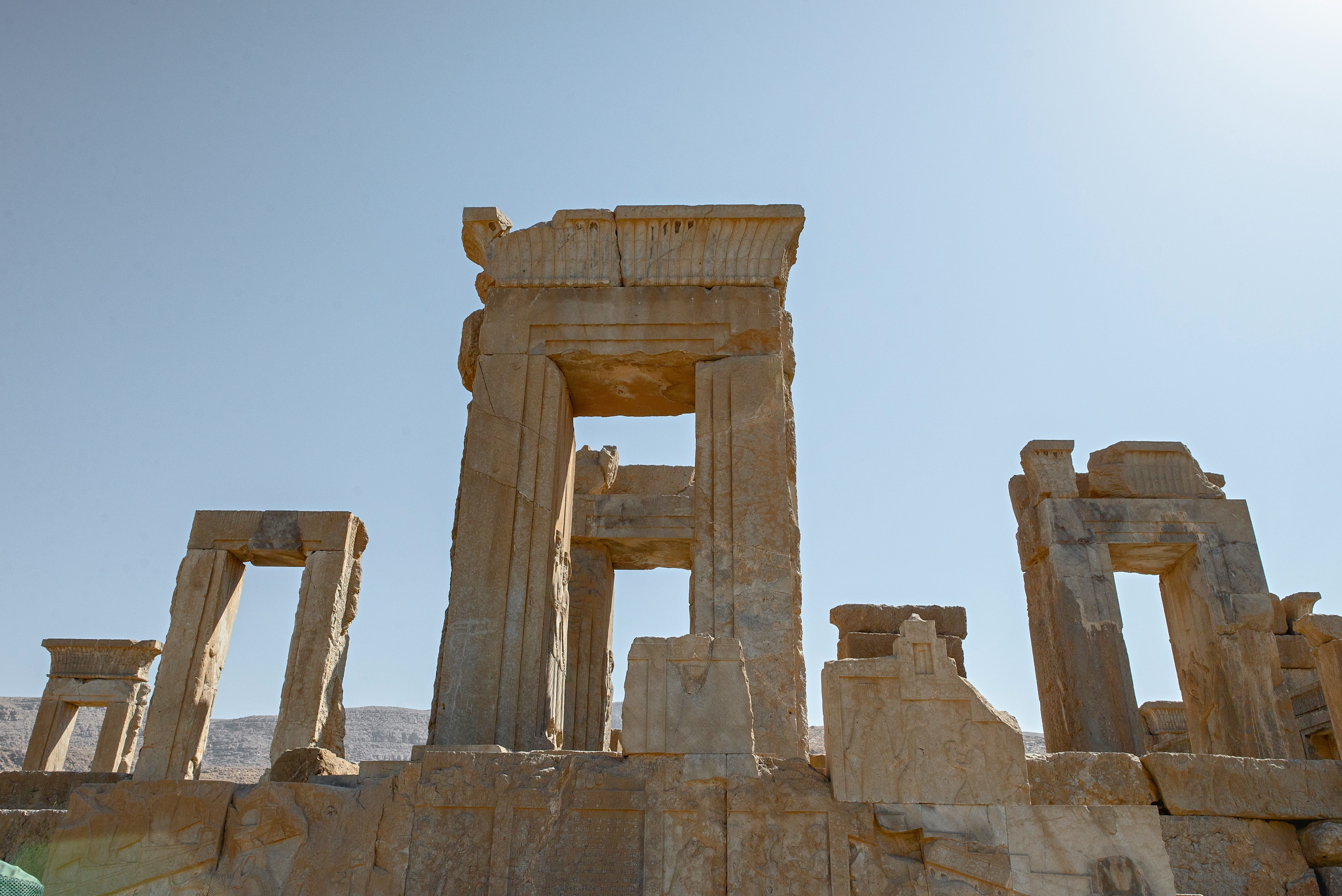
Dasht-e Lut is rightly considered the hottest, most arid, and most picturesque of Afro-Asian deserts. Need an itinerary suggestion? Begin your crossing by entering the mountainous village of Mahan. Draped in glittering snow, Mahan's peaks are favored trekking destinations. Next, visit abandoned palaces and ancient caravanserais where merchants and pilgrims once halted along the Silk Road. Linger at the fortress of Keshit, inscribed in 2004 on UNESCO's World Heritage list. It's a genuine experience to tread this urban complex spanning 180,000 m², which houses terracotta houses, mills, and a water well, now reduced to haunting ruins and desolation.
As evening falls, your English-speaking guide will likely stop at Keshit Oasis, a place brimming with life and greenery that emerges like magic amid this desert landscape. The sunset you'll witness from atop the dunes will be unforgettable. At night, you can choose to sleep under the stars or camp in a comfortably appointed tent, though the company of friendly wolves prowling about will be inescapable. At dawn, once roused by your driver, you'll have only one desire: to do it all again!
Best Time to Visit
Travel experts are firm on this: avoid summer's oppressive heat! The desert is comfortably visited in spring, from mid-September through late December. Travelers are urged to bring head coverings (scarves or caps) and never part with them throughout the desert crossing. Pack appropriate clothing.
The Dasht-e Lut desert is relatively accessible. To reach it, take the Shahdad road and continue further before parking nearby. The simplest approach is to hire a private jeep. More than one local Kerman guide would be delighted to take tourists there. Be selective about your guide choice: desert expertise, resourcefulness, and solid English-language skills are the qualities to seek. Cost-wise, the journey price varies depending on duration and the number of passengers.
Want to discover this destination?
Our local advisors design your tailor-made trip.