Tehran
Tehran
Tehran is both the capital and the largest metropolis of Iran. A detailed review of the city's main points of interest.
Tehran is both the capital and the largest metropolis of Iran. A detailed review of the city's main points of interest.
Introduction
When, in 1797, French naturalist Guillaume-Antoine Olivier first set foot on Persian soil, he described Tehran as a half-built city, overgrown with trees and vegetation. He would not have written the same words had he witnessed the city's transformation under the reign of Fath Ali Shah, who restructured it with the intention of building a grand and colorful capital. Regarded as a first-rate industrial power, Tehran is less well known from a tourism standpoint. A pity for our visitors! The pleasant climate, the richness of its museums, the tree-lined Persian gardens, and the palatial residences testifying to the golden age of the Qajar dynasty make it one of the finest destinations in the Middle East. Perhaps you dream of backpacking—the mountain resorts of Tochal welcome you with open arms. Otherwise, a guided tour will allow you to see with fresh eyes the UNESCO sites often cited in the media.
History of Tehran
The controversy surrounding the etymology of the city remains an unsolved puzzle to this day. Some believe Tehran is derived from the word "Tah-rân," meaning hot region, the antonym of "Shem-rân" (cold region); others trace it to the term "Tir-an," which translates to "desert land."
While the origin of the city's name remains a mystery, we do know that traces of human occupation date back to the Neolithic period. Originally, Tehran was a small settlement living under the influence of Rhagès, a major agglomeration ruled by the Seljuks in 1042 and devastated two centuries later by the Mongols. Abandoning Rhagès, inhabitants settled in Tehran, located just 8 km away and offering a more hospitable natural environment thanks to its mild climate. Before this mass relocation, no traces of development were visible at the site.
During the Timurid dynasty, Tehran began to fulfill administrative and urban functions. A royal palace stood north of the city, at the very spot where the future Golestan Palace would be built. Under the reign of Tahmasp I, a descendant of the Safavids, the site was fortified with 114 towers. The historic bazaar dates from this period. Later, Abbas II had a secretariat office built there to receive ministers and foreign ambassadors. The decision to fortify Tehran was linked to a desire for geopolitical control: invasion threats came primarily from the Russian and Turkmen empires. This project was finalized by Karim Khan, ancestor of the Zand dynasty. By the late eighteenth century, the site was no longer simply an administrative seat but had acquired the status of an important royal citadel (Arg).
On March 12, 1786, Tehran was elevated to capital status after Mohamad Khan seized power. The leaders of the Qajar clan launched an unprecedented renovation process. Numerous sumptuous buildings emerged: mosques, badguirs (wind towers), monumental gates, and summer palaces of the nobility. Economic life concentrated around the Grand Bazaar, while affluent residential quarters clustered in the north.
Tehran Today
With 15 million inhabitants, Tehran is one of the most vibrant and dynamic metropolises in the Middle East. It experienced rapid urbanization following the oil boom in the 1970s. Several challenges reflect the relative youth of the economy: refugee families live in shanytowns; one in ten workers operates in the informal sector; more than two in ten Tehranis earn below the poverty line. Yet in many respects, Tehran presents the appearance of a modern city.
Must-See Points of Interest
Blending the face of an old-fashioned city with that of a noisy, cosmopolitan industrial hive, Tehran fascinates travelers through its diversity. Beyond visiting historical heritage, you'll find numerous opportunities for hiking and shopping.
Royal Palaces
Strolling through the northern part of the city, several royal palaces await your visit:
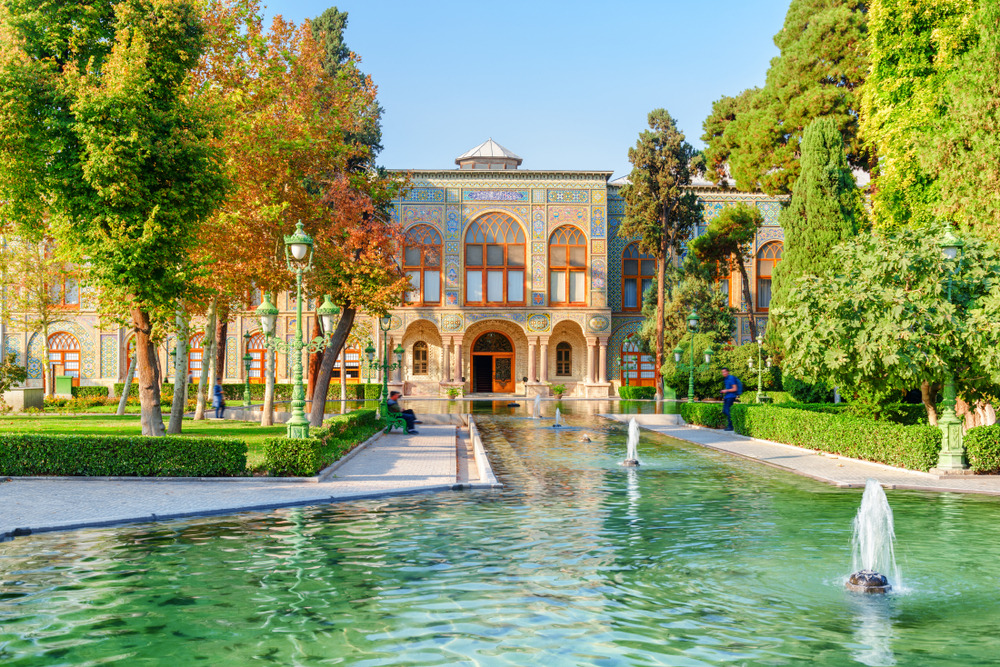
- The Golestan Palace complex: built in the sixteenth century, the Palace of the Garden of Flowers is one of the pinnacles of Persian imperial history. It housed the Qajar royal family and their entire court between 1786 and 1925. Tourists will find fascinating insights into the birth of modern Iran. The building's uniqueness lies in the harmonious blend of traditional Persian style with futuristic tones. Don't miss the marble throne, the reception hall, and the Hall of Mirrors, whose brilliance rivals the Hall of Mirrors at the Palace of Versailles. You'll find the palace near the Bazaar, in Tehran's old quarter;
- Saadabad Palace: this palatial complex dates from a later period, created by Persia's last sovereigns. A tour of the complex is highly recommended because it houses an important piece of Iranian culture and civilization. The beautiful garden dotted with shrubs and flower beds is worth the trip on its own;
- Niavaran Palace: inaugurated in 1968, the palace was built at the request of Mohammad Reza Pahlavi. The Shah and his family lived there until 1979, when the Iranian Revolution broke out. If you venture into the Shemiran quarter, don't miss this magnificent palace. Moreover, it is part of a vast complex that includes the Qajar residence and the Ahmad Shah pavilion, which displays gifts that Iranian sovereigns received from ambassadors of all nations.
Landscaped Gardens
The abundance of green spaces, created during the Persian Empire era, is a major attraction of the Iranian capital. The need for respite draws both tourists and locals to these public parks.
- Mellat Park: With its well-maintained lawns, Mellat Park is a particularly popular destination for strollers. Multicolored flower species line the park's pathways, which lead to a central lake. You'll appreciate the statues of famous figures who dominated Iran's political history as well as avant-garde sculptures. Enjoy a picnic in the greenery. Mellat Park is also a good starting point to explore the Alborz mountains.
- Laleh Park: Designed in 1966 as a leisure area and hunting reserve of the Pahlavis, Laleh Park is one of the city's oldest parks. It is located along Keshavarz Boulevard, near Tehran University. Stroll peacefully in the shade of cedars and acacias, play chess with family on outdoor boards, or enjoy a cultural pause at the Carpet Museum, located on the north side. The adorable central fountain, which displays light effects at dusk, is without question the park's highlight.
Museums and Monuments
- The National Museum of Iran: history and archaeology enthusiasts won't hesitate to cross the museum's threshold. Through its rich collection of art objects, manuscripts, textiles, gold and silver pieces, and earthenware vessels, some dating to the Stone Age, the museum opens a window onto ancient Iran.
- The National Jewels Museum: the promoter of this museum was Emperor Nader Shah, who resented the Afghans for making off with Iranian jewels. In 1729, he orchestrated a reconquest operation, even plundering Delhi to recover the lost treasure. This is why the museum boasts one of the world's richest collections of precious stones.
- The Carpet Museum: in Iran, the carpet-making trade is a long-standing tradition. The museum provides insight into the evolution of this craft, which began in the Bronze Age and continues today as a prosperous national industry. Ancient carpets of all shapes and a wide variety of designs.
- The Contemporary Art Museum: inaugurated in the late 1970s, the museum displays the most impressive masterpieces of European painting. You'll find Pablo Picasso's cubist compositions, Francis Bacon's triptychs, impressionist canvases by Claude Monet and Van Gogh, and many others. Masters of the Iranian contemporary school are also represented. The museum is just a stone's throw from Laleh Park.
- The Milad Tower (Borj-e Milad in Iranian): standing 435 meters tall, Milad Tower, opened to the public in 2010, is in a sense Iran's Eiffel Tower. It ranks as the sixth tallest self-supporting structure on the planet. Even if you're not interested in dining at its revolving restaurant or booking a room at its five-star hotel, this symbol and source of national pride deserves a visit.
In the Mood for Shopping?
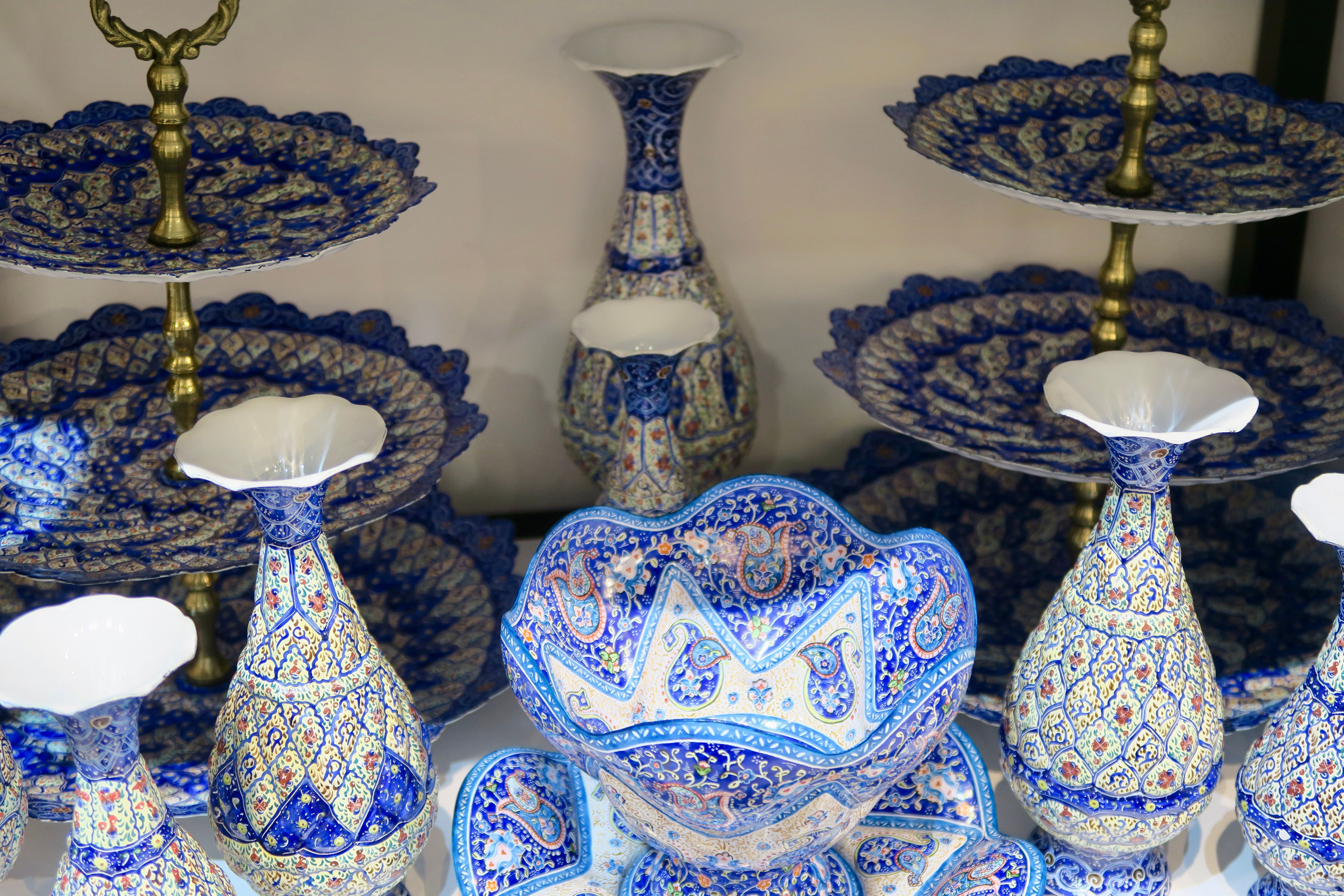
It's inconceivable to visit Tehran without taking a trip to the historic Grand Bazaar, which perfectly embodies the local atmosphere and color. This ancient marketplace brings together inns, mosques, and shopping galleries, symbolizing the sharing of power between the wealthy merchant class and clergy during the twentieth century. You'll find an abundance of merchandise: spices, nougats, candies, decorative objects, handmade shawls and shoes, Persian tapestries… Everything is bought and sold here at all price points. The emergence of luxury fashion and jewelry boutiques is more recent, directly linked to tourism development.
Tochal Mountain Resort
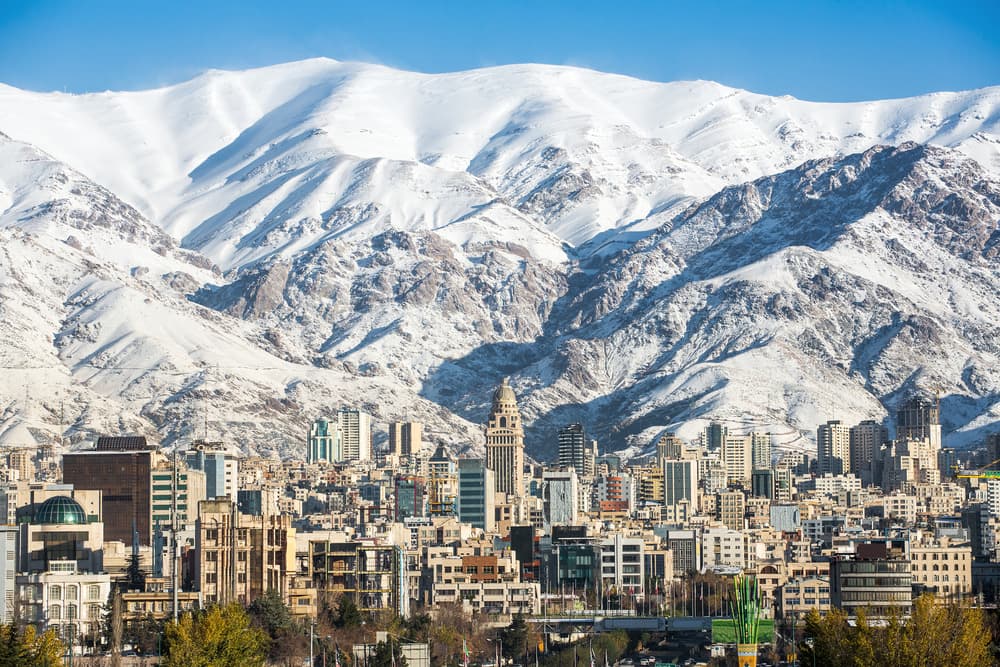
If you plan to stay in Tehran for more than two days, venture into the heights of Tochal. Its elevation, ranging between 2,820 and 3,850 meters above sea level, makes it an ideal destination for hiking enthusiasts, cable car riders, and those seeking picturesque mountain views. The resort boasts extraordinary snow quality. But if skiing isn't your cup of tea, you can try other sports activities: archery, paintball, hiking, or tennis.
When to Visit Tehran?
Although located in a desert region, Tehran is protected by the Alborz mountain belt, which brings coolness and tempers the climate's aridity. As a result, the city is divided into two distinct climate zones: mountain areas are cool and rainy, while heat reigns relentlessly in the south of the metropolis due to proximity to the Dasht e-Kavir desert.
Best to avoid summer, even though temperatures drop in the evening. However, if you want to go to the mountains and enjoy an aerial view, the months of June, July, and August are most recommended. To visit Golestan royal palace, explore museums, or have a picnic in parks, choose dates in April, May, October, or November.
Tourism in Tehran is facilitated by quality transport infrastructure. The road network is in good condition and covers all tourist destinations. Moreover, the availability of fuel at very reasonable prices is additional motivation to visit the city.
That said, it's important to warn travelers about the insecurity prevalent in neighboring countries: Turkmenistan, Afghanistan, Armenia… Flying is therefore the safest transportation option to reach Tehran. The capital has two airports: your flight will land at Imam Khomeini International Airport, as Mehrabad Airport accommodates only domestic flights.
From Paris, the flight to Tehran takes between 7 hours and 40 minutes and 11 hours depending on the airline. To cover the 40 km separating the airport from downtown, you can choose between taxi and metro. The airport works with three taxi operators who will take you to your hotel for €10 to €13.
Absolute Must-Dos…
- Climb to the top of Milad Tower to enjoy the panoramic view;
- Get lost in the garden of Golestan Palace;
- Admire the grand collection at the Fine Arts Museum in Saadabad Palace;
- Strike a pose in front of Niavaran Palace's main entrance;
- Spend moments of cultural discovery at the National Museum of Iran;
- Visit the Imam Zadeh Saleh Mosque;
- Enjoy an evening of shopping in the Grand Bazaar;
- Stroll through the Sorkeh Hesar National Park;
- Breathe in the fresh air at the Tochal winter sports resort.
Attractions in Tehran
See all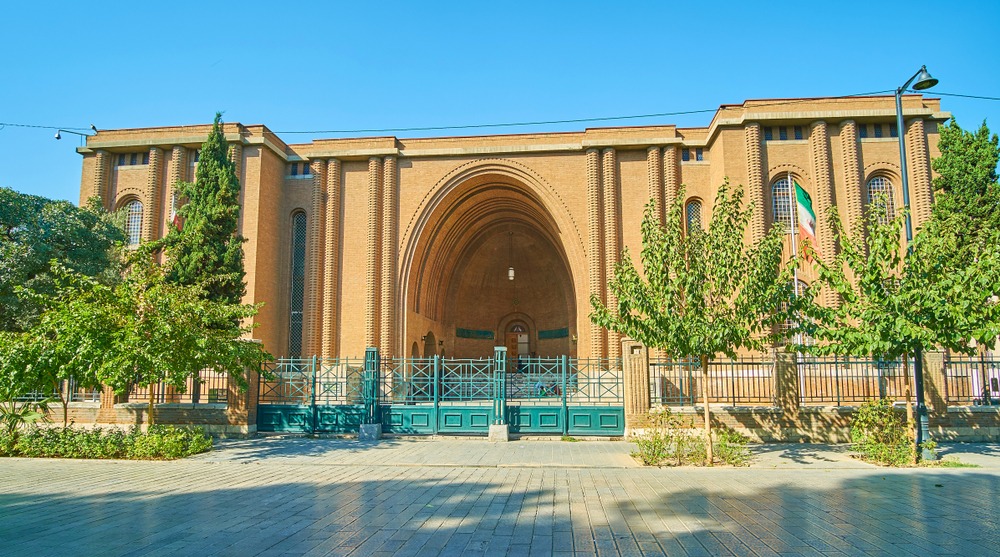
Musée national d'Iran
Situé à Téhéran, le Musée national d'Iran rassemble les collections archéologiques majeures du pays, de la préhistoire à la période islamique, en deux bâtiments.
Palais du Golestan
Au cœur de Téhéran, le palais du Golestan réunit jardins, Trône de marbre et Salle des miroirs, témoignage majeur de l'architecture Qadjar classé à l'UNESCO.
Musée des tapis d'Iran (Tehran Carpet Museum)
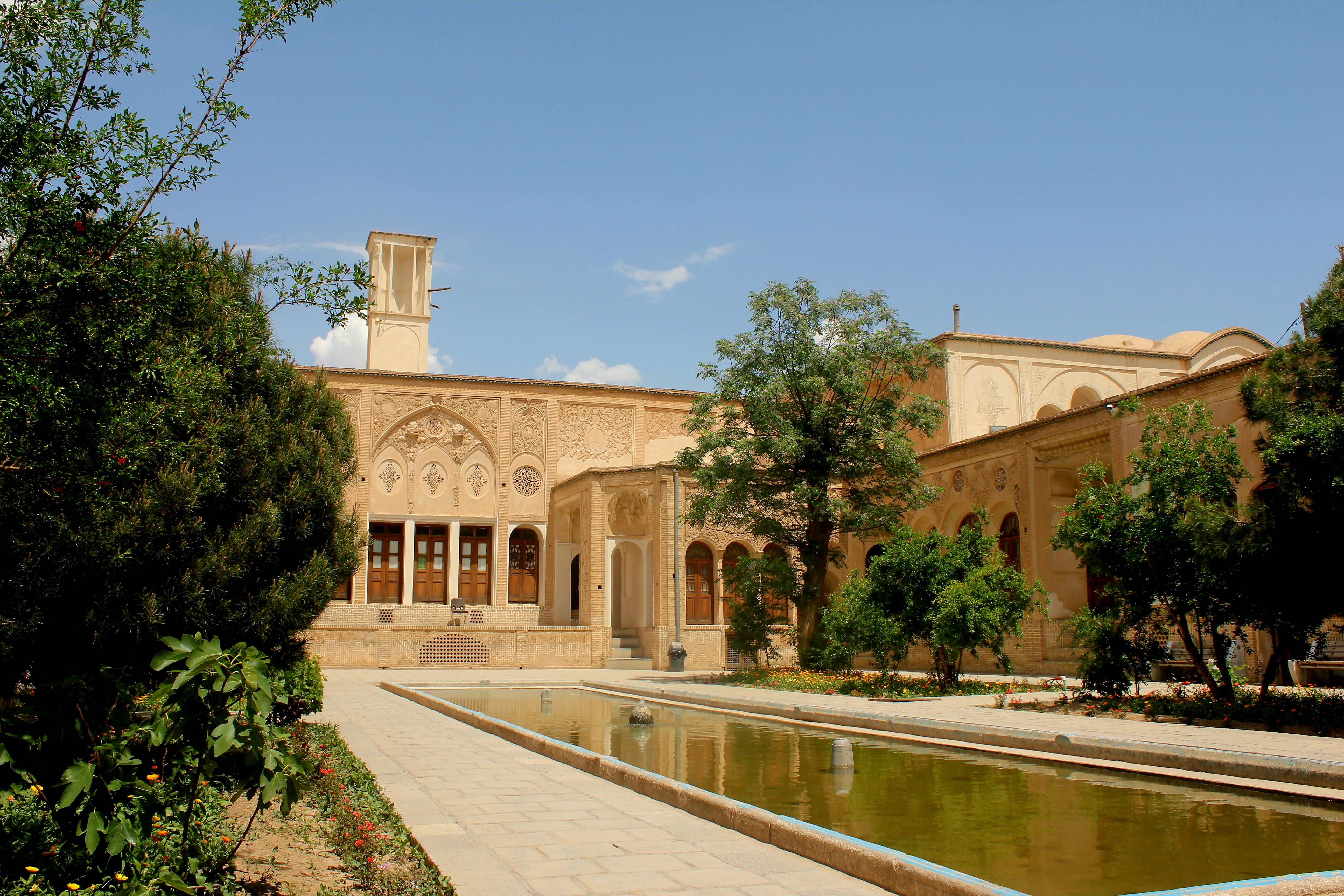
Dans le parc Laleh de Téhéran, le Musée des tapis d'Iran réunit des siècles de tissage persan : tapis de cour safavides, kilims nomades et un bâtiment conçu comme un métier à tisser.
Pont Tabiat (Nature Bridge)
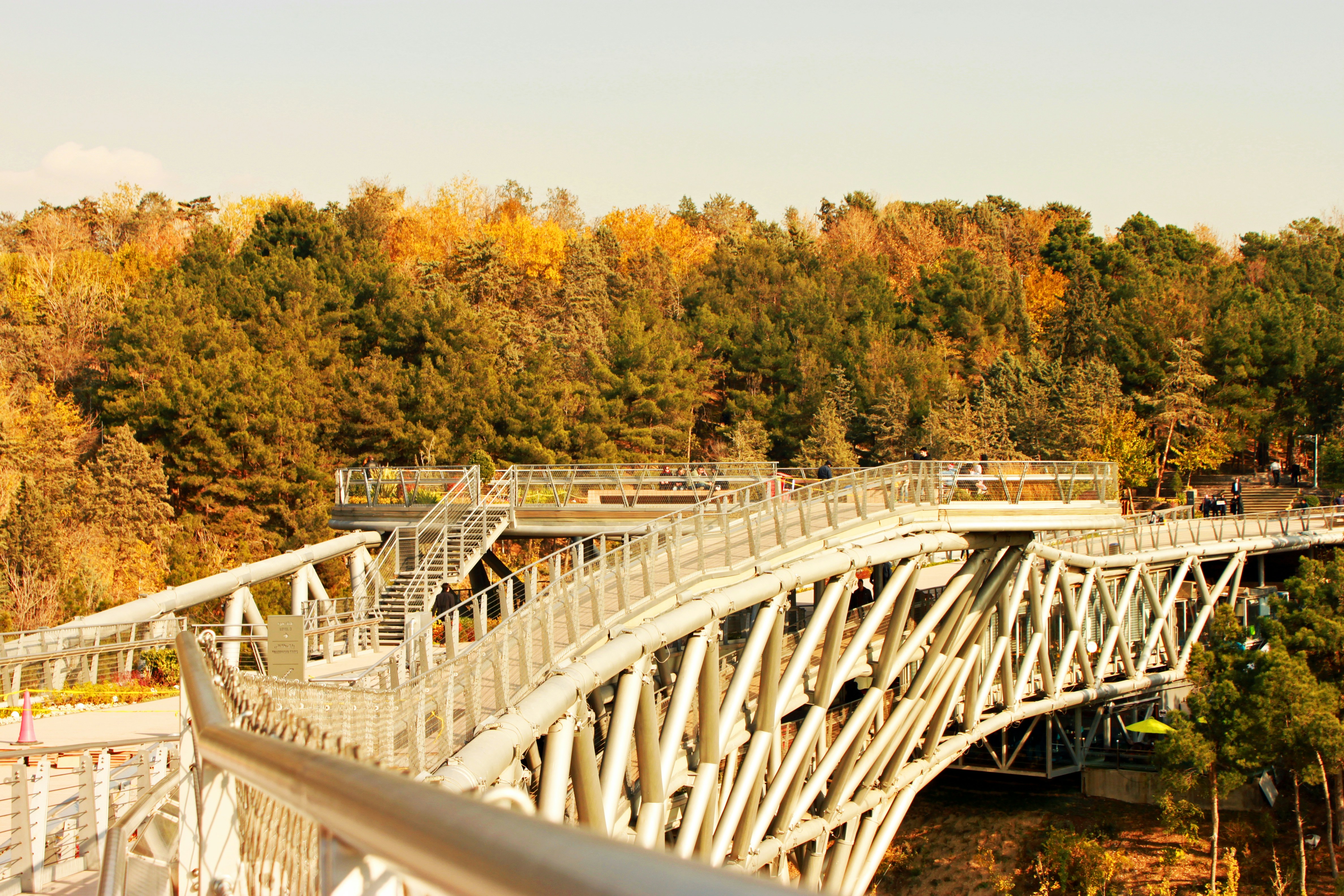
Inauguré en 2014, le pont Tabiat enjambe l'autoroute Modarres sur trois niveaux et relie les parcs Taleghani et Abo-Atash. Entrée gratuite, vue sur l'Alborz et ambiance urbaine téhéranaise.
Grand Bazar de Téhéran
Plusieurs kilomètres de galeries spécialisées, des caravansérails qajars et une mosquée safavide : le Grand Bazar de Téhéran est le centre commercial et historique de la capitale iranienne, ouvert du samedi au jeudi.
Musée Reza Abbasi
Le musée Reza Abbasi à Téhéran réunit miniatures persanes, céramiques islamiques et objets préislamiques sur trois niveaux. Une référence pour l'art iranien du VII<sup>e</sup> siècle avant J.-C. au XIX<sup>e</sup> siècle.
Want to discover this destination?
Our local advisors design your tailor-made trip.