Shiraz: Essential Sites to Visit
Once the capital of Persia in the 18th century, the city of Shiraz (also spelled Chiraz) is today considered Iran's cultural capital. Nicknamed the "city of gardens" or the "city of poets,"
Once the capital of Persia in the 18th century, the city of Shiraz (also spelled Chiraz) is today considered Iran's cultural capital. Nicknamed the "city of gardens" or the "city of poets," this magnificent city is also an opportunity to learn more about the country's history, particularly through its ancient archaeological sites spanning millennia. To ensure you don't miss the essentials, we introduce you to the must-see sites during a stay in Shiraz.
1. Visit Shiraz's Mosques and Mausoleums
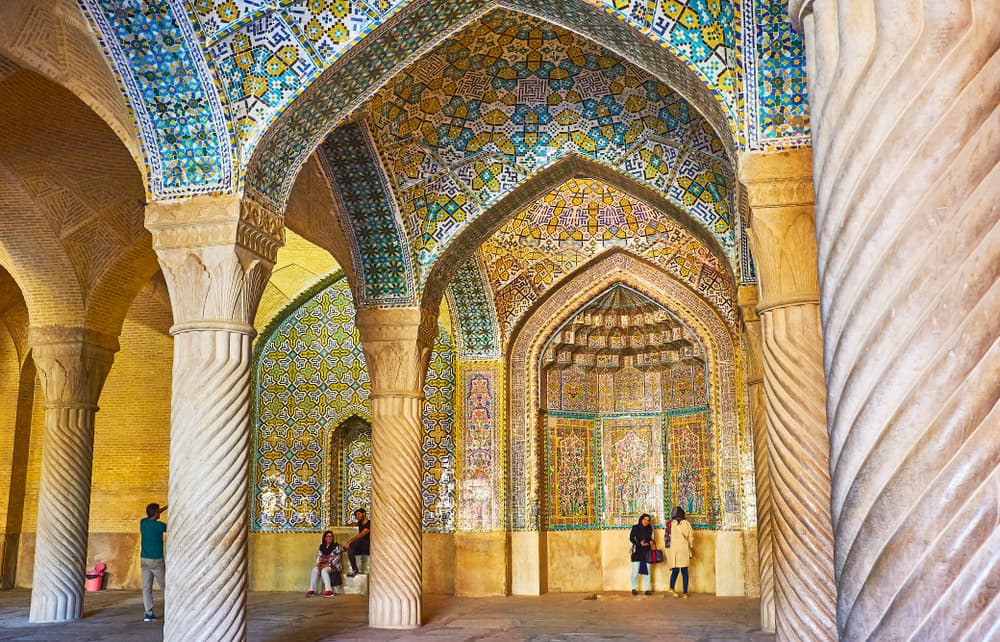
More than merely religious sites, Iranian mosques are genuine places of life for the local population. As for mausoleums, they mark the country's historical legacy and serve as places of reflection for Iranians who hold deep respect for those who shaped their history. To give you a sense of these highly esteemed sites among locals, we introduce you to the finest mosques and the most beautiful mausoleums to see in Shiraz.
Nasir-ol-Molk Mosque
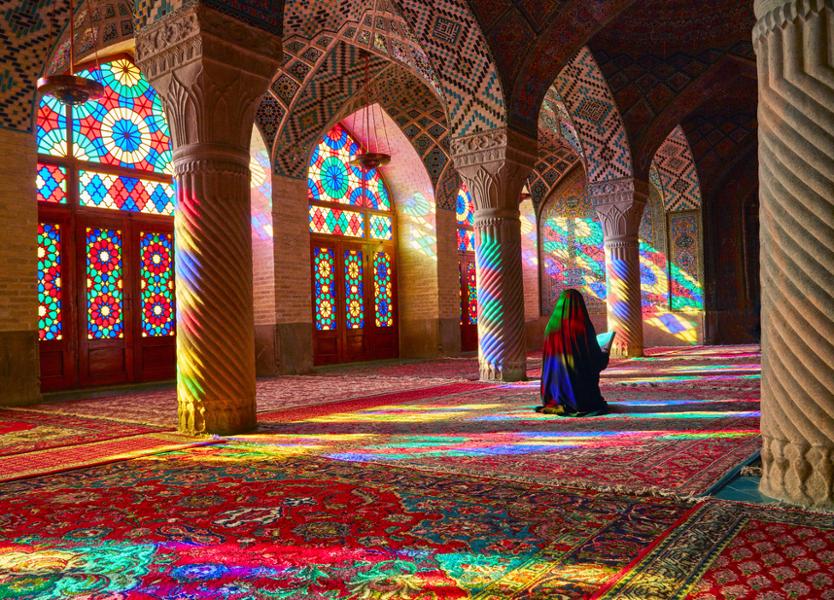
The Nasir-ol-Molk Mosque is an architectural jewel of the city not to be missed during a stay in Shiraz. It is nicknamed the "Pink Mosque" because of its pink-hued mosaics and geometric patterned stained glass windows that captivate all visitors.
Shah Cheragh Mosque and Mausoleum
Translated from Persian as "King of Light," Shah Cheragh is the name of a Shiraz mosque and mausoleum that houses the tombs of brothers Amir Ahmad and Mir Muhammad, sons of the seventh Shiite Imam Musa al-Kazim. Beyond being one of the city's most important pilgrimage sites, the visit is worthwhile for its incredible architecture and the discovery of its magnificent interior courtyard.
Ali-Ebn-e-Hamzeh Mausoleum
A centerpiece of Shiite culture, the Ali-Ebn-e-Hamzeh Mausoleum is where the venerable Imam Ali Ibn Hamzeh rests, considered the fourth imam of the Shiites. This vast funerary complex comprises a wooded garden and a sanctuary containing the tomb.
Bibidokhtaran Sanctuary
The foundation of this funerary site, designed in the style of garden-tombs, dates back to the High Middle Ages during the Ilkhanid dynasty era. Today, the Bibidokhtaran Sanctuary is also one of Shiraz's most visited pilgrimage sites. Pilgrims visit to honor the memory of one of the Prophet Muhammad's descendants, the prophet sent by Allah.
Mausoleums of Iran's Greatest Poets
We conclude with two remarkable mausoleums—the resting places of Iran's greatest poets. The first is the mausoleum of the celebrated poet Hafez. Located beside the Quran Gate (a true symbol of the city), Hafez's tomb was established within the Musalla gardens. His body rests beneath a dome surrounded by rose gardens and orange blossoms. The second mausoleum to visit without fail is the funerary site of Saadi, a medieval court poet, whose tomb also rests in a lovely park dotted with cypress trees.
2. Stroll Through Shiraz's Sublime Gardens
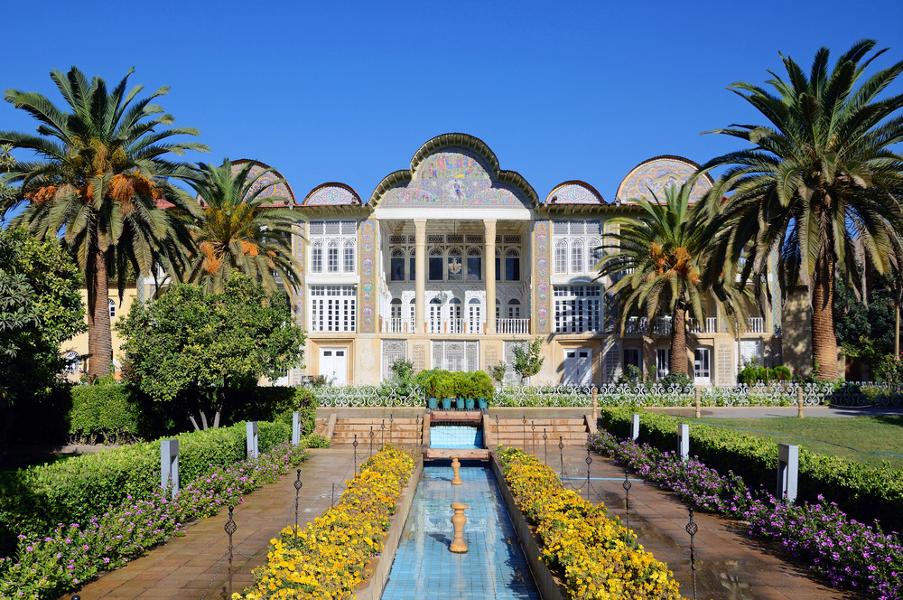
In Iran, all gardens are designed as true paradises. And Shiraz is no exception! The city boasts numerous magnificent gardens where visitors enjoy strolling around fountains and pools while inhaling the delicate fragrances of roses, orange blossoms, narcissi, and other flowers.
The Eram Garden is undoubtedly Shiraz's most beautiful garden—and one of the rare gardens to appear on the UNESCO World Heritage List. Translated as "garden of paradise," Eram Garden (bagh-e Eram in Iranian) was created 800 years ago and represents the perfect example of Persian royal gardens. Here you'll discover symmetrical, verdant pathways where roses, pomegranates, date palms (and many others) flourish, along with fountains, pools, and the sublime Qajar Palace.
Among other gardens to visit in Shiraz, you can explore Naranjestan Garden (with its magnificent late 19th-century residence, flower beds, and famous oranges), Bagh-e Afif Abad (one of the city's oldest gardens), or Jahan Nama Garden (a colorful garden surprising with the omnipresence of the number 8: 8 cypress trees along main paths, 8 sections for the long scroll, and 8 fountains for each section).
3. Explore Vakil Bazaar
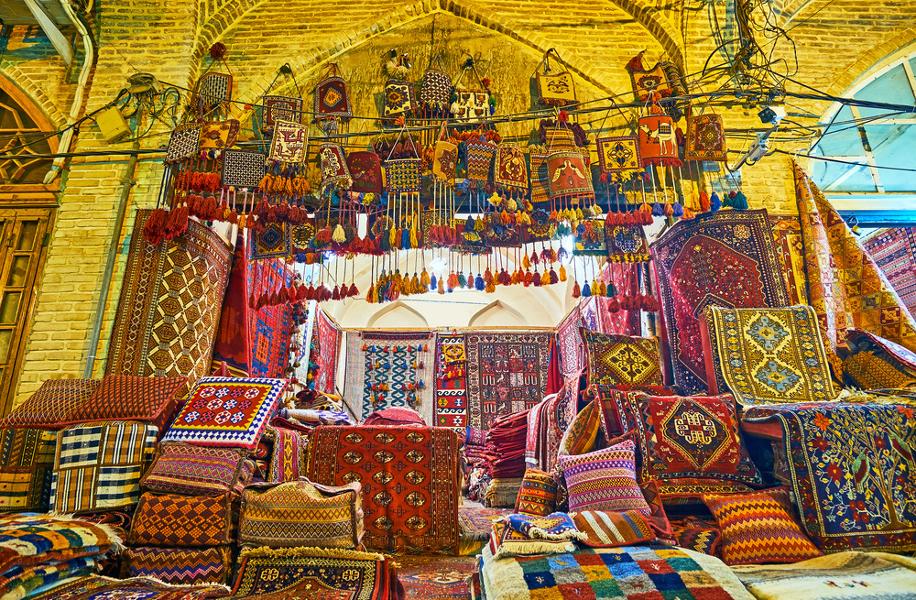
To soak up the local atmosphere, we highly recommend visiting Vakil Bazaar! Located in the historic city center, it is one of Iran's most important traditional bazaars. As you navigate its numerous alleys, you'll discover hundreds of stalls and shops where you can find spices, fruits, textiles, Persian carpets, shoes, traditional handbags, jewelry items, ceramics, silverware, and countless other artisanal products. Beyond shopping, take the opportunity to sample some authentic Iranian cuisine! And don't forget to look up to admire the incredible Persian architecture of this picturesque complex.
4. Contemplate Karim Khan Citadel
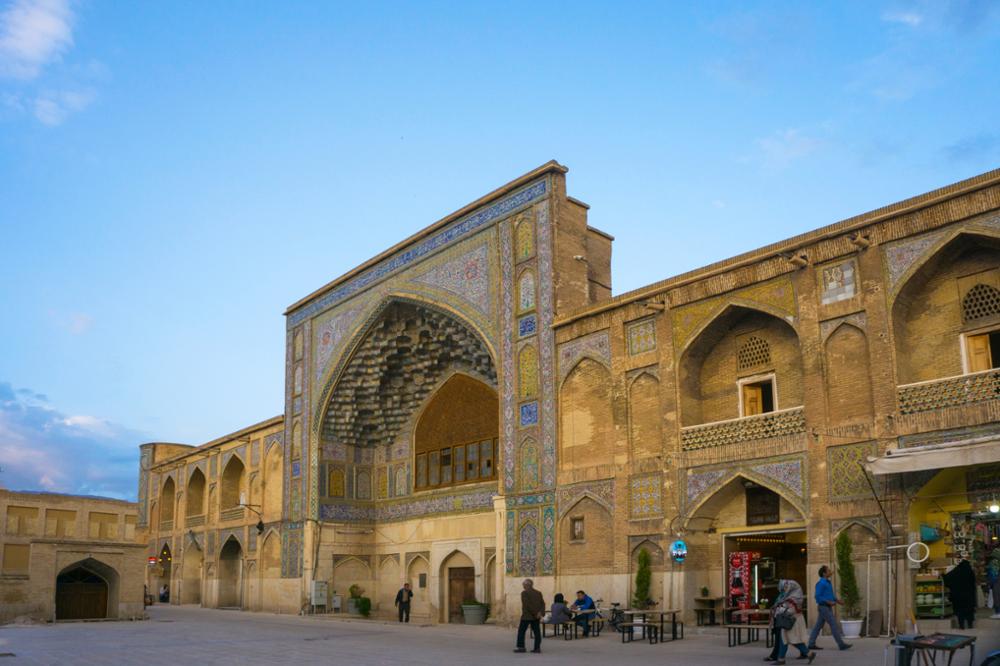
Located in the heart of the city, you can't miss it! Constructed around 1766 during the reign of the Zand dynasty's first sovereign, Karim Khan Citadel (Arg-e Karim Khan in Iranian) offers insight into Shiraz when it was once the capital of the Persian Empire. It served as the residence of Persian sovereigns under the Zand dynasty in the late 18th century. Subsequently, under the next dynasty, it served as the seat of the local governor before later becoming a prison. A visit to Karim Khan Citadel allows you to discover palaces, apartments, and an interior courtyard planted with orange trees. It also offers beautiful views over the city.
5. Venture to Persepolis and Naqsh-e-Rostam
Persepolis
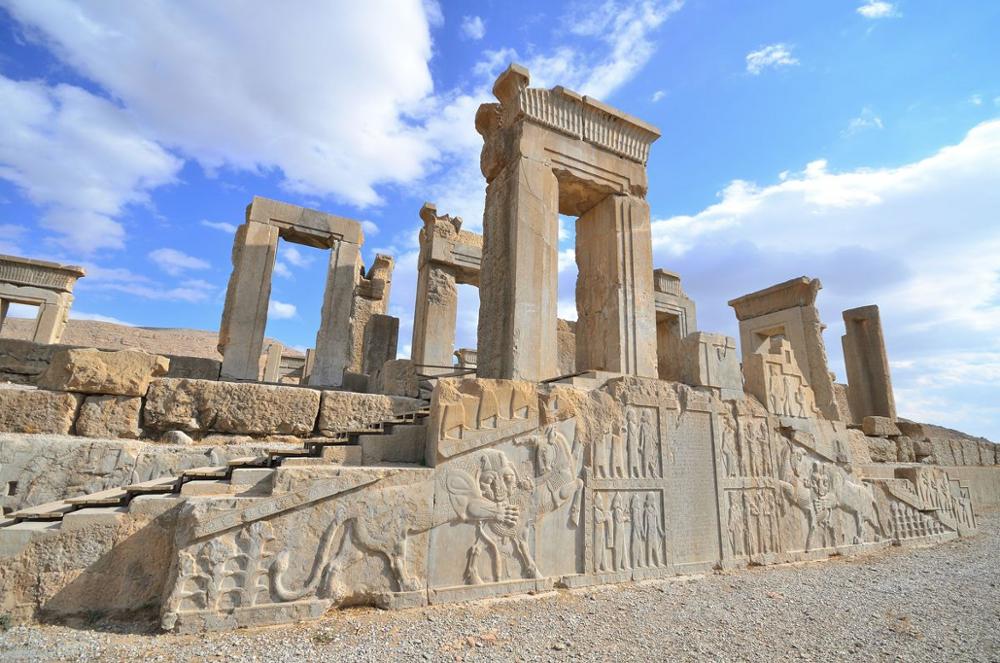
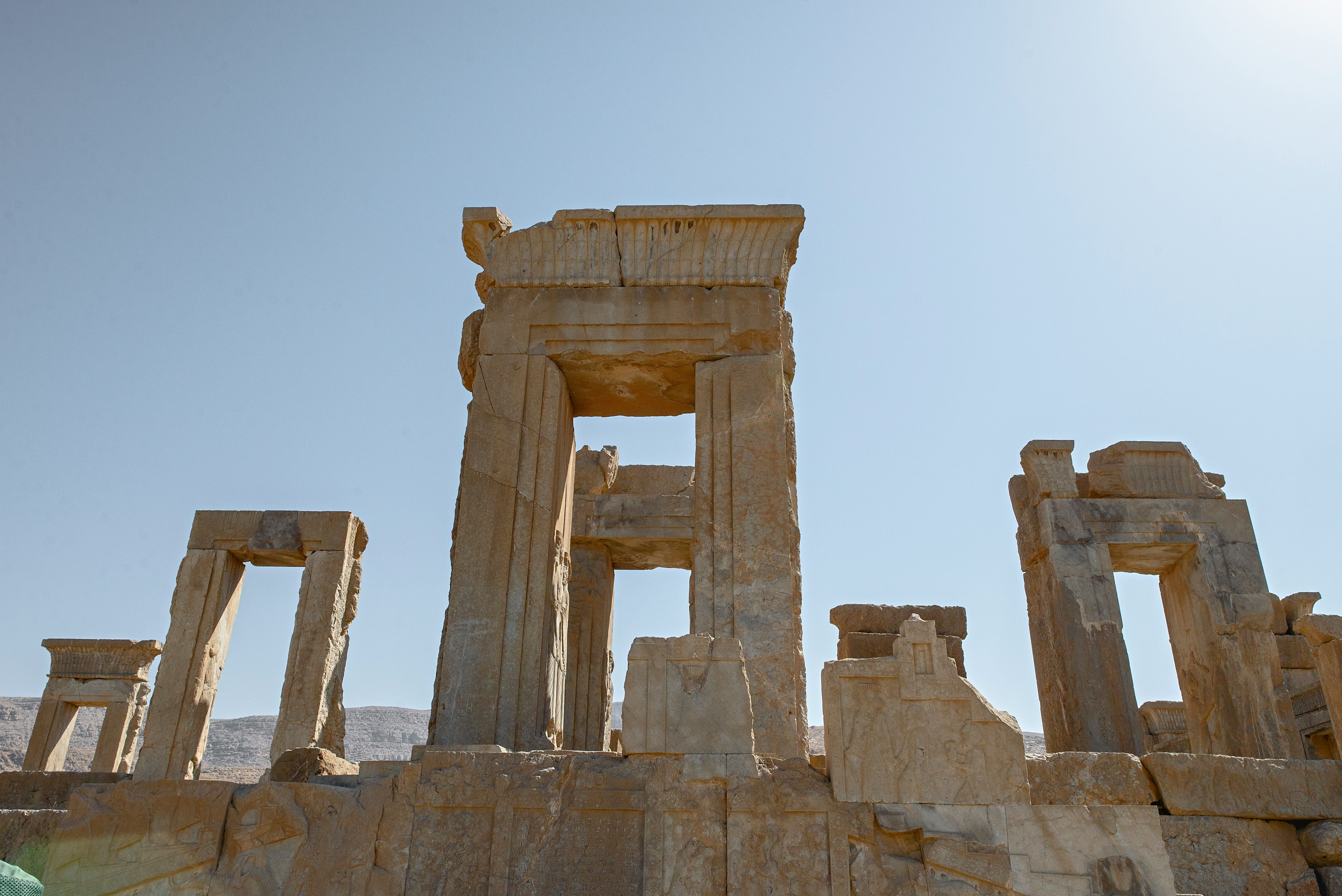
Located just 60 km from the city, you cannot stay in Shiraz without venturing to Persepolis. This former capital of the Achaemenid Empire—founded in 521 BCE by the "King of Kings" Darius I and partly destroyed by Alexander the Great in 330 BCE—is a mandatory stop on any Iran journey! Situated at the foot of Mount Kuh-e Rahmat, the site comprises a vast complex of exceptionally well-preserved ruins. Palaces, colonnades, monumental staircases, altars, terraces, tombs, and impressive sculptures abound. Your visit will transport you to the origins of ancient Persia!
Naqsh-e-Rostam
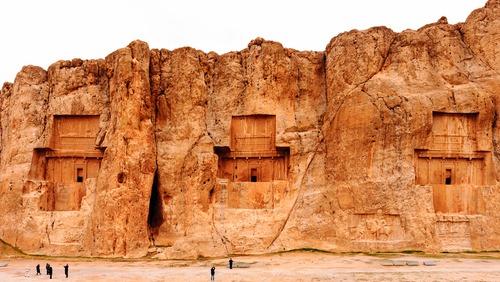
A short distance north of Persepolis, you can continue your exploration to Naqsh-e-Rostam. Better known as the Necropolis, this archaeological site houses the grand tombs of Achaemenid kings carved into the rock several meters high.
Note: Excursions departing from Shiraz typically combine visits to both sites.
Discover Shiraz with our two itineraries: Journey Between Chiraz and Tehran and Perfumes of Persia
Frequently asked questions
The best time to visit Shiraz is spring (March to May) and autumn (September to November), when temperatures are mild and gardens are in bloom. Summer can be very hot (over 35°C), while winter remains pleasant but can be cool at night.
From Tehran, you can reach Shiraz by plane (approximately 1.5 hours of flight), train (approximately 11 hours, with panoramic views), or long-distance bus (approximately 12 hours). The flight is the quickest and often most convenient option for international travelers.
Yes, a dress code is required to visit religious sites in Shiraz. Women must wear a hijab, covering their arms and legs. Men must also keep their legs covered. Scarves and veils are sometimes provided at site entrances for unprepared visitors.
Yes, Persepolis is only 60 km from Shiraz and is easily visited as a day excursion. It's recommended to combine the visit with the Naqsh-e-Rostam site (the Necropolis), located a bit further north. Most local travel agencies offer combined circuits covering both sites in a single day.
Yes, Eram Garden (Bagh-e Eram) is inscribed on the UNESCO World Heritage List. Created approximately 800 years ago, it is considered one of the finest examples of a Persian royal garden, featuring symmetrical pathways, roses, fountains, and a sublime Qajar Palace.
Plan at least 3 to 4 days to visit Shiraz and its main sites (mosques, gardens, bazaar, citadel). If you wish to include day trips to Persepolis and Naqsh-e-Rostam, add an extra day, bringing your total to 4 to 5 days to fully enjoy the region.