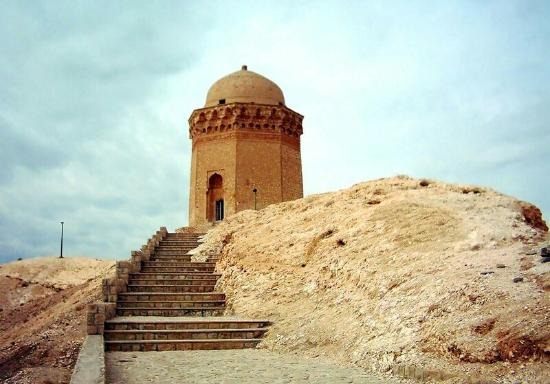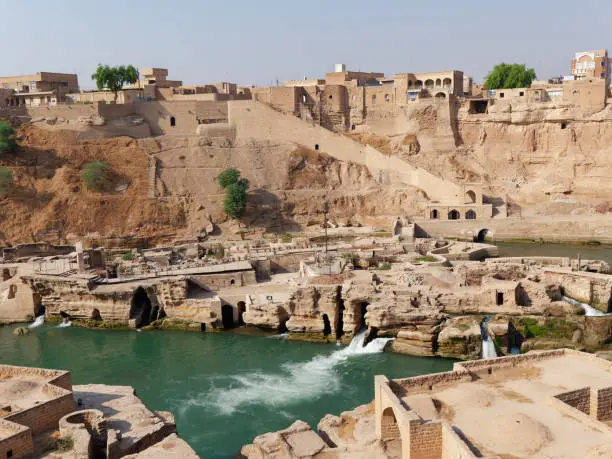
Ghoortan Citadel
Ghoortan Citadel
West of Isfahan, near Varzaneh, the Ghoortan citadel preserves rammed-earth ramparts, three mosques and pigeon towers from a thousand-year-old fortified settlement still inhabited today.
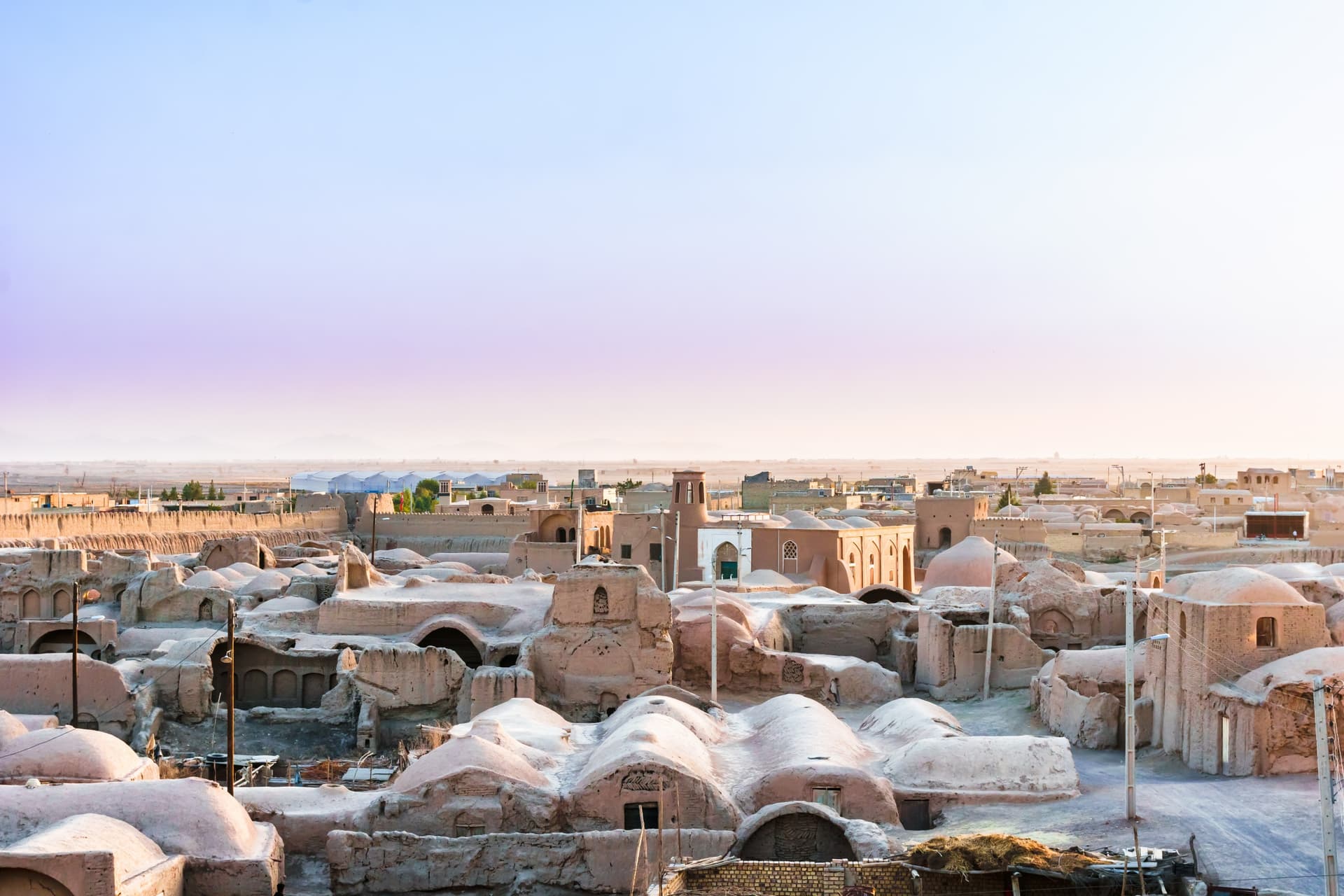
About ten kilometers west of Isfahan, in the Varzaneh district, the Ghoortan citadel ranks among Iran's oldest fortified settlements. Its rammed-earth walls, three mosques and pisé pigeon towers bear witness to a defensive urbanism that once structured the oases of the Iranian plateau. A rare distinction: the site, though partly ruined, remains inhabited.
Why visit the Ghoortan citadel
Ghoortan stands apart from other Iranian citadel-cities in one significant way: a handful of peasant families still live here, whereas Arg-e Bam or the Keshit citadel (Kerman province) are now deserted. A visit thus combines archaeological insight with a glimpse of rural life rooted in thousand-year-old architecture.
The site holds multiple attractions: a fortified complex covering 4,000 m², three mosques from different periods, a former commercial center, traditional pigeon towers and a Safavid building linked to the Shia nakhl ritual. The entire site can be explored on foot in 2 to 3 hours with no physical difficulty.
History and etymology
The castle's name likely derives from "goor,
Interested in this visit?
We can include it in your personalised itinerary.