47 articles to prepare your trip
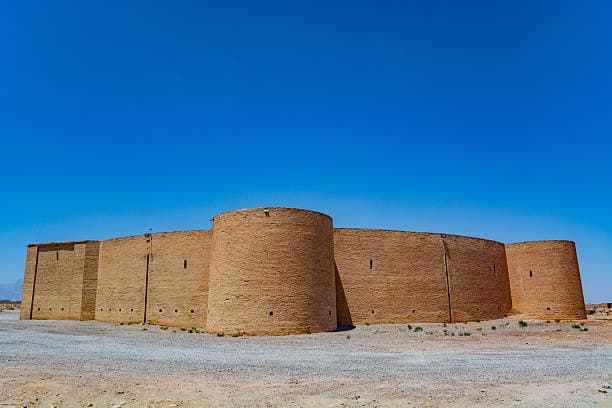
A rare circular Safavid caravanserai deep in the Dasht-e Kavir desert, Zein-o-Din welcomes travellers into its original vaulted cells, facing a starlit sky unmarred by light pollution.
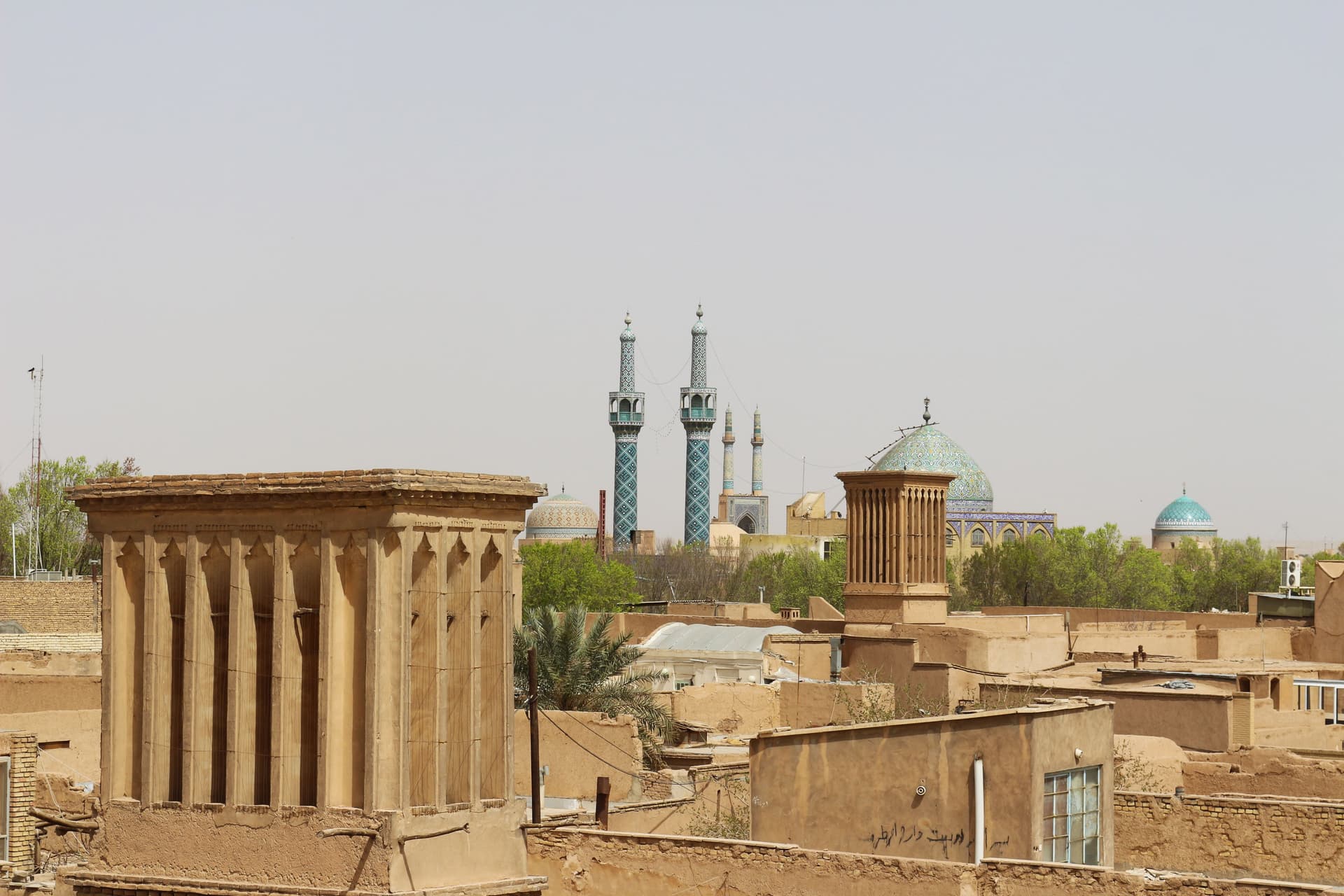
A labyrinth of rammed-earth lanes, a forest of wind towers and an ancient Zoroastrian flame: Yazd's old city, inscribed by UNESCO, is one of Iran's best-preserved historic settlements.
At the heart of Yazd, the Water Museum traces two millennia of hydraulic ingenuity through scale models, tools, and a descent into an underground qanat still in use.
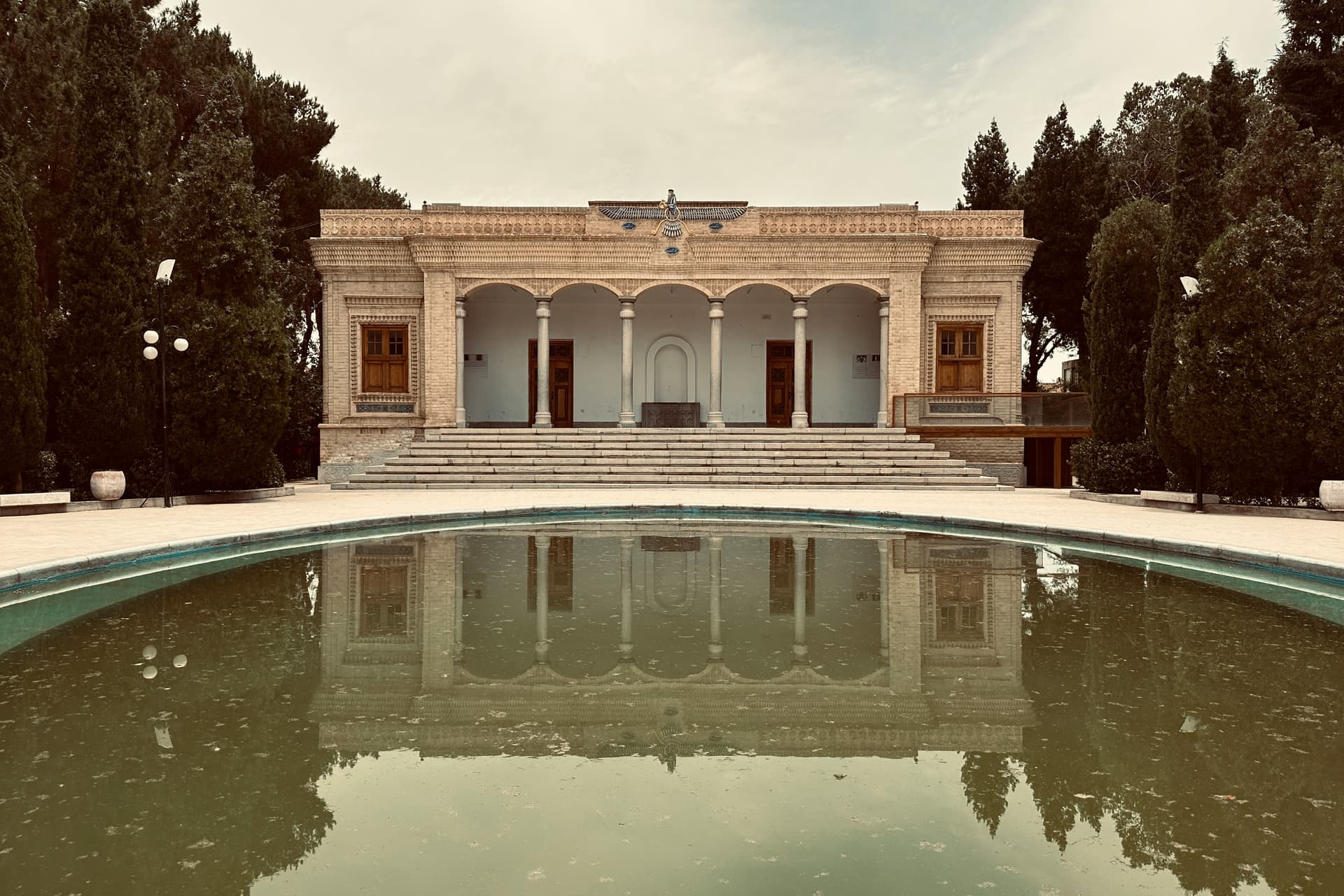
The Atashkadeh of Yazd shelters a Zoroastrian flame that has burned uninterrupted for over 1,500 years. An active place of worship at the heart of the world's Zoroastrian capital.
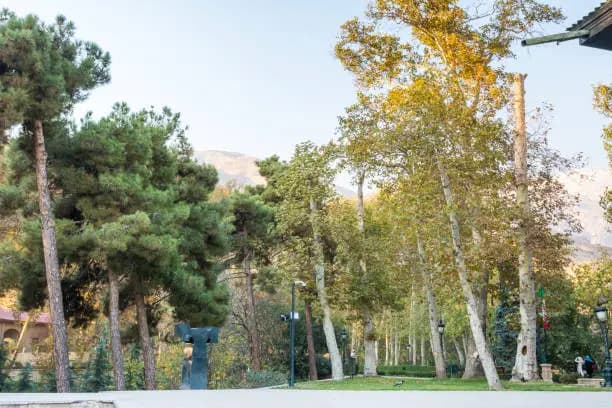
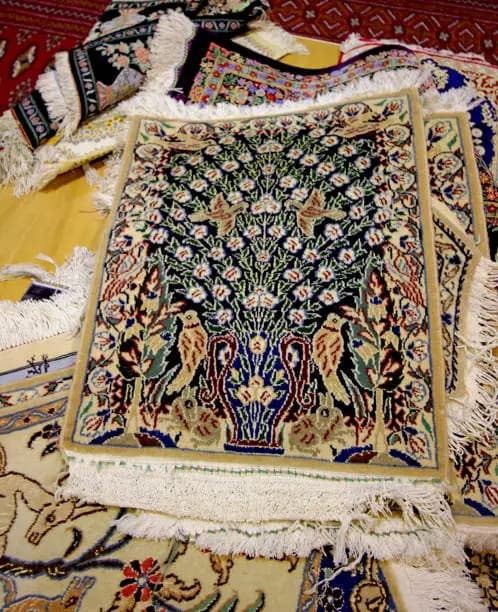
In Tehran's Laleh Park, the Iran Carpet Museum brings together centuries of Persian weaving: Safavid court carpets, nomadic kilims and a building designed like a traditional loom.
Shah-e Cheragh, "King of Light" in Persian, is the great Shia sanctuary of Shiraz. Its chambers entirely covered in mirror mosaics and golden domes make it one of Iran's most stunning religious sites.
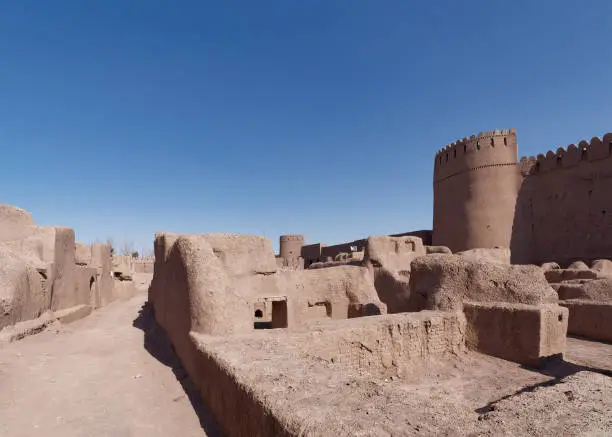
Arg-e Rayen, a mud-brick citadel in southeastern Iran, stands among the world's finest preserved adobe fortresses. Less famous than Bam, it offers an authentic immersion into medieval caravan-route architecture.
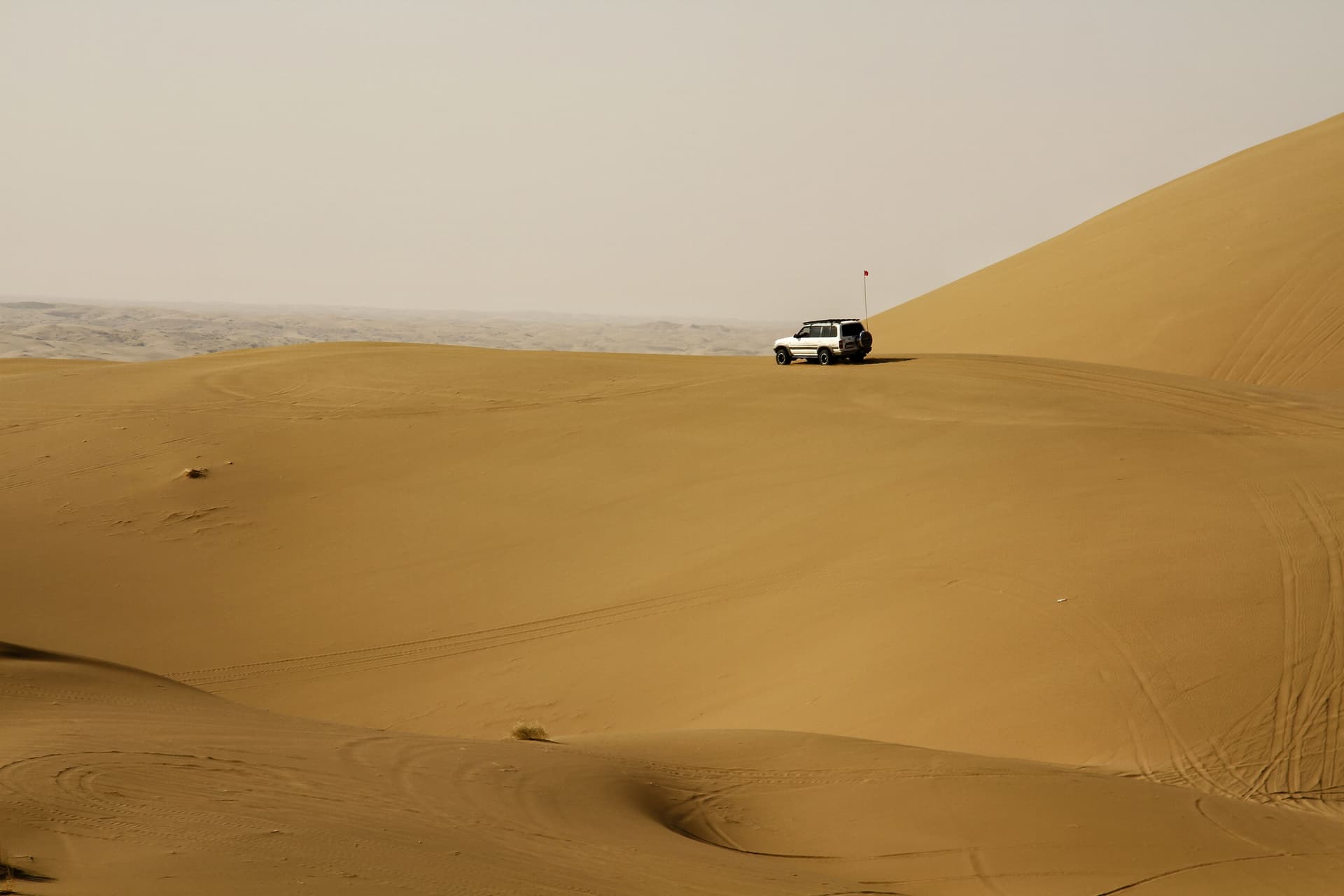
East of Isfahan, the Varzaneh Desert brings together golden dunes, salt marshes and a Safavid village with distinctive white veiling. A night here reveals one of Iran's most intense starry skies.
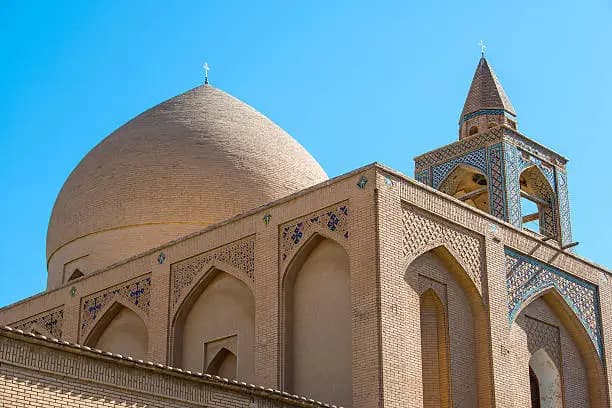
At the heart of Isfahan's Armenian Jolfa district, Vank Cathedral brings together lavish biblical frescoes, Safavid architecture, and a museum documenting the history of Iran's Armenian community since the 17th century.
In the heart of Shiraz, Vakil Bazaar unfolds its brick-vaulted galleries beneath circular light wells. Spices, tribal kilims and engraved copperware in a living 18th-century market.
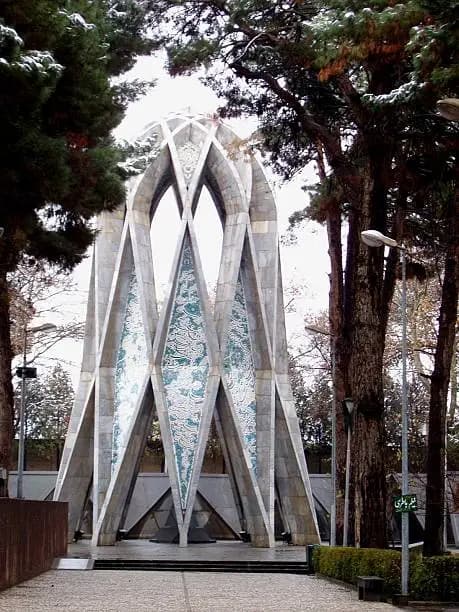
In Nishapur, the Omar Khayyam Mausoleum houses the tomb of the poet of the Rubaiyat within a garden of roses. The modernist structure designed by architect Hooshang Seyhoun makes it a singular monument of Khorasan.
A former royal estate of the Qajar and Pahlavi dynasties, the Sa'dabad Complex brings together several palace-museums and vast gardens in the northern Shemiran district of Tehran.
Located in Laleh Park in central Tehran, the Iran Carpet Museum houses centuries of Persian textile production: Safavid court carpets, nomadic kilims and Qom silks, within a building shaped like an unrolled carpet.
Several kilometers of specialized galleries, Qajar caravanserais and a Safavid mosque: the Grand Bazaar of Tehran is the commercial and historic center of Iran's capital, open Saturday through Thursday.
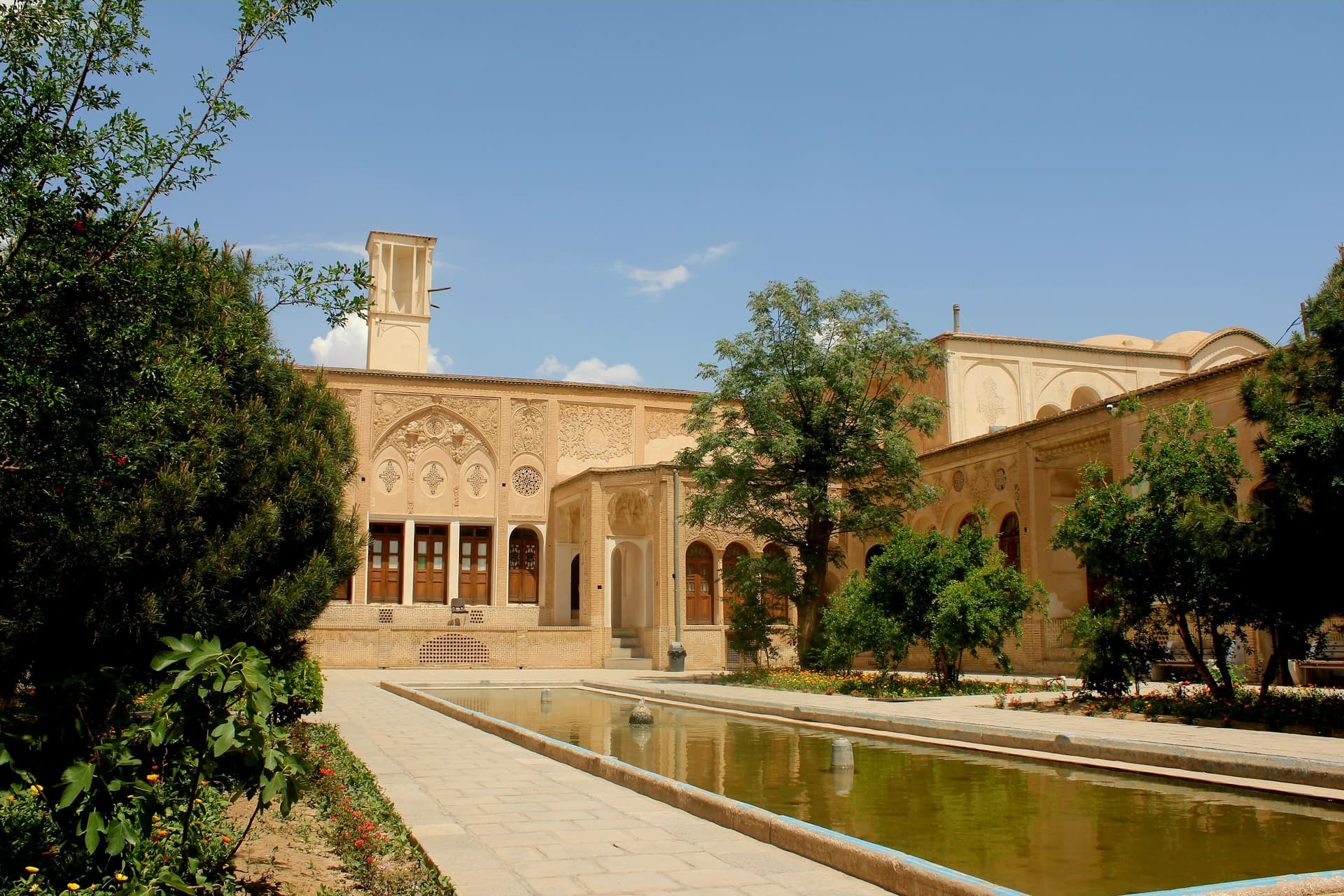
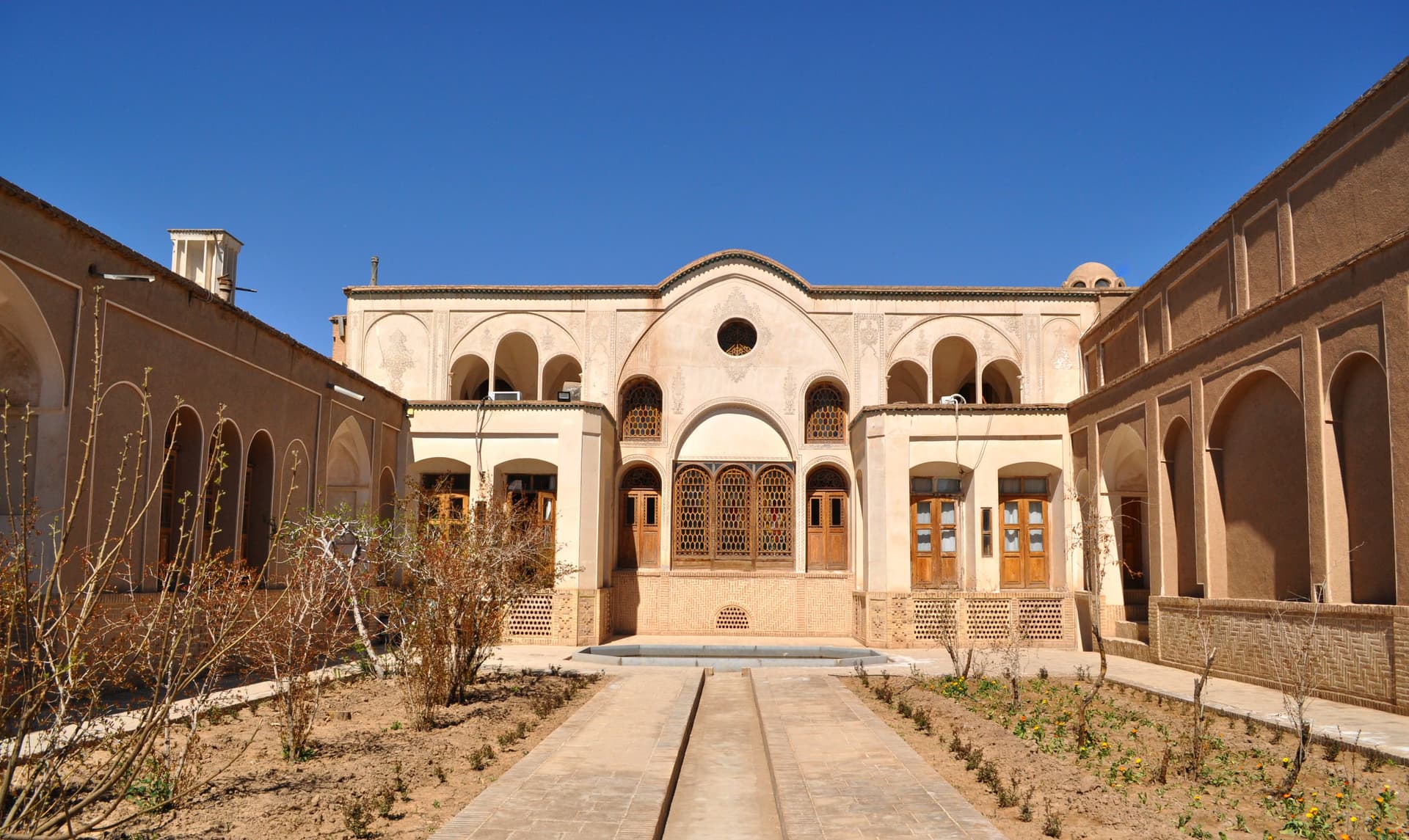
A 19th-century merchant's residence in the heart of Kashan, the Tabatabaei House unfolds four courtyards adorned with stuccos, pools and windcatchers — a showcase of Qajar residential architecture.
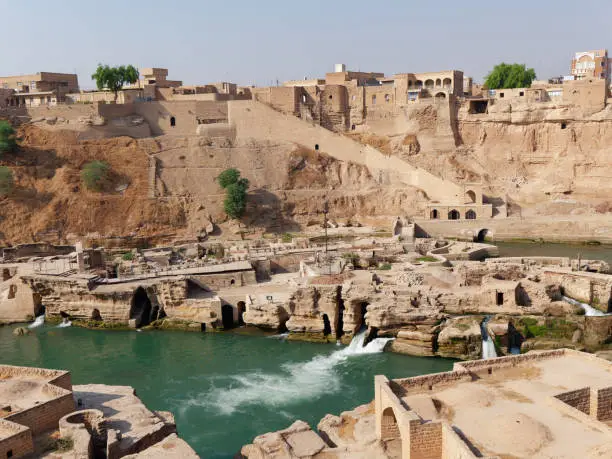
Dams, tunnels and mills carved into rock: the Shushtar hydraulic system, inscribed as a UNESCO World Heritage site in 2009, stands as one of the most complex ancient engineering works in the Middle East.
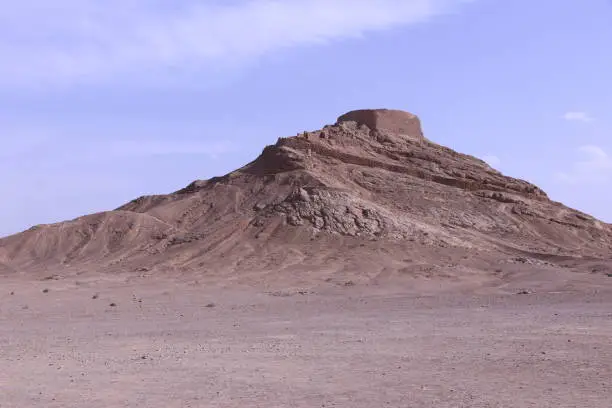
Perched on two hills at the edge of the desert, the Towers of Silence in Yazd are ancient Zoroastrian funeral towers where the dead were once exposed to vultures. A unique archaeological and spiritual site, with a breathtaking panorama over the desert plain.
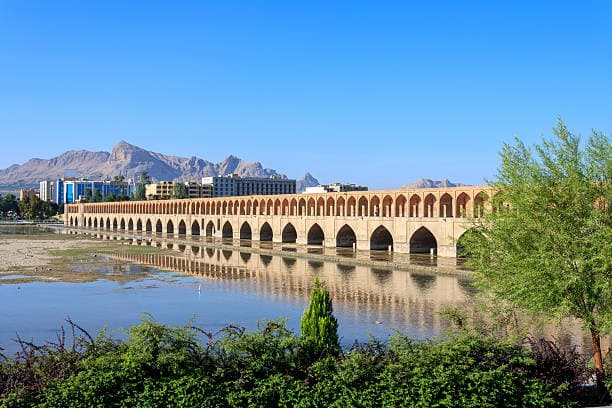
The Si-o-se-pol, a thirty-three arch bridge built in the early 17<sup>th</sup> century, is the social heart of Isfahan. Its lower galleries, river reflections, and vibrant local life make it far more than a simple monument.
18 of 47 results
We use cookies to improve your experience and measure our site's audience. You can choose what you accept. Learn more.