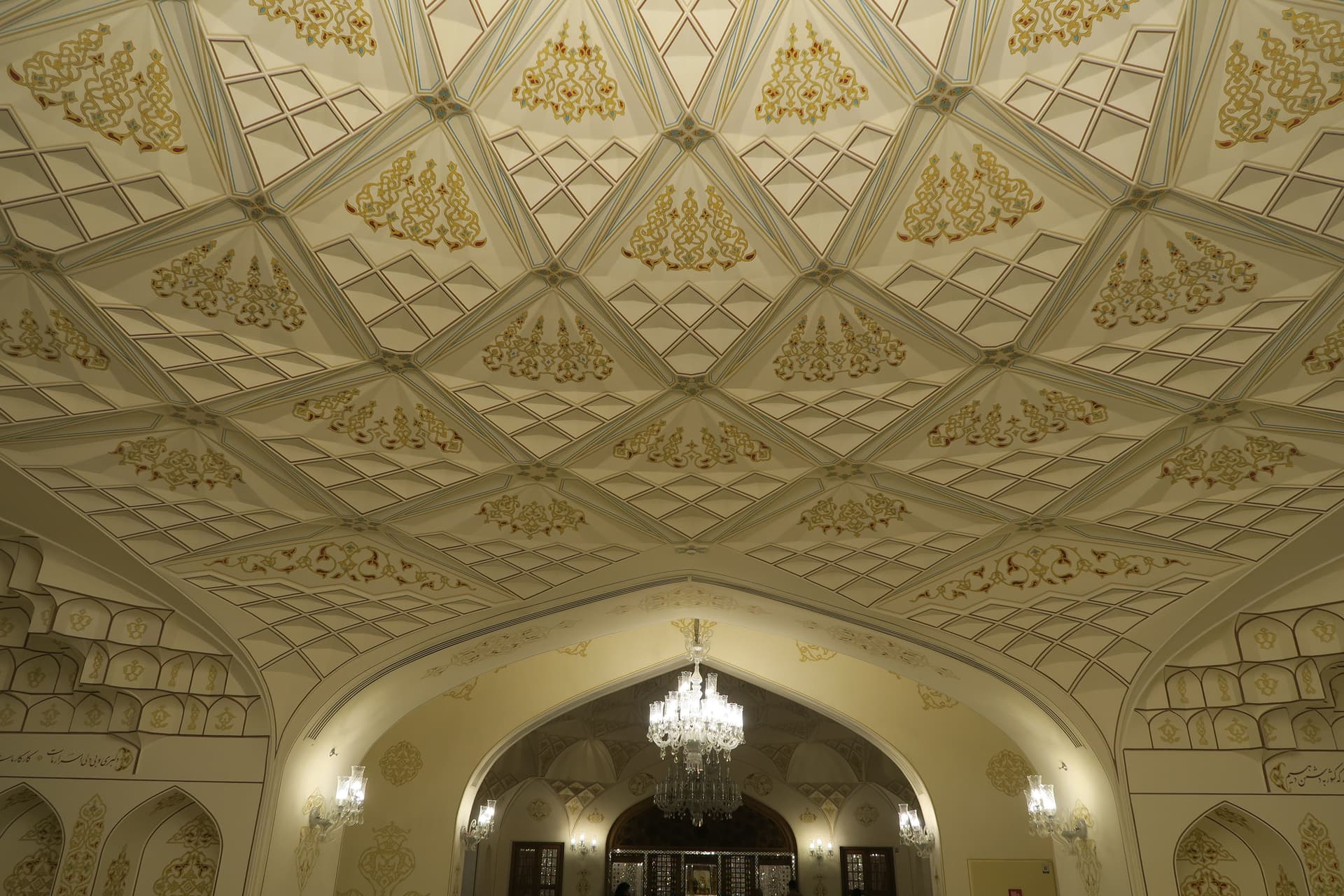
Reza Abbasi Museum
Reza Abbasi Museum
The Reza Abbasi Museum in Tehran houses Persian miniatures, Islamic ceramics and pre-Islamic objects across three levels. A landmark collection of Iranian art from the 7th century BC to the 19th century.
The Reza Abbasi Museum, located in northern Tehran, holds one of Iran's finest collections of Islamic and pre-Islamic art. Calligraphy, Persian miniatures, ceramics and metalwork span several millennia of artistic creation. The museum is named after the great Safavid miniaturist Reza Abbasi, who was active at the court of Shah Abbas I in the early 17th century. It remains the essential reference for understanding the evolution of Iranian decorative arts.
Practical information at a glance
- Admission: paid entry (reduced rates for Iranian nationals)
- Recommended duration: 1.5 to 2 hours to explore all three levels
- Dress code: appropriate attire required; women must wear a headscarf inside
- Access: accessible by metro (Line 1, Shahid Haghani or Dr Shariati station depending on route) and by taxi
What you'll find
The museum is organized across three thematic levels. The ground floor displays pre-Islamic objects: pottery, bronzes and coins from the Achaemenid, Parthian and Sassanid periods. The first floor is devoted to medieval Islamic art—metallic-lustre ceramics, glassware and Quranic illuminations. The second floor houses miniatures and calligraphy from the Safavid and Qajar eras, including several works attributed to Reza Abbasi himself.
History and context
Founded in 1977 as the Museum of the Arts of Iran, the institution was renamed following the 1979 Islamic Revolution in honour of the painter Reza Abbasi (c. 1565–1635). This miniaturist transformed the representation of the human figure in Persian painting, introducing more naturalistic poses and secular subjects. The museum preserves several of his original works, making it an essential reference for specialists.
Highlights of your visit
Safavid miniatures
The miniatures collection on the second floor forms the heart of the museum. Works by Reza Abbasi and his school depict court scenes, portraits and lyrical subjects with remarkable precision. Labels are in Persian and English.
Islamic ceramics
Lustre-decorated pieces from the Seljuk and Ilkhanate periods (11th–14th centuries) rank among Iran's finest. Their golden reflections and vegetal motifs demonstrate exceptional technical mastery.
Pre-Islamic objects
Luristan bronzes, cylindrical seals and Sassanid coins offer a panorama of pre-Islamic Iran. These pieces, often overlooked by the general public, usefully complement a visit to the National Museum of Iran.
Etiquette and visiting rules
- Headscarf is mandatory for women, including foreign tourists.
- Appropriate attire required for all visitors.
- Speak quietly in the exhibition halls.
- Do not touch the artworks or display cases.
Photography tips
Photography is generally permitted without flash in the galleries. Artificially lit display cases create reflections: position yourself slightly to the side to avoid them. Natural light is best mid-morning in the second-floor galleries. Check with staff about any restrictions on specific pieces.
Location and access
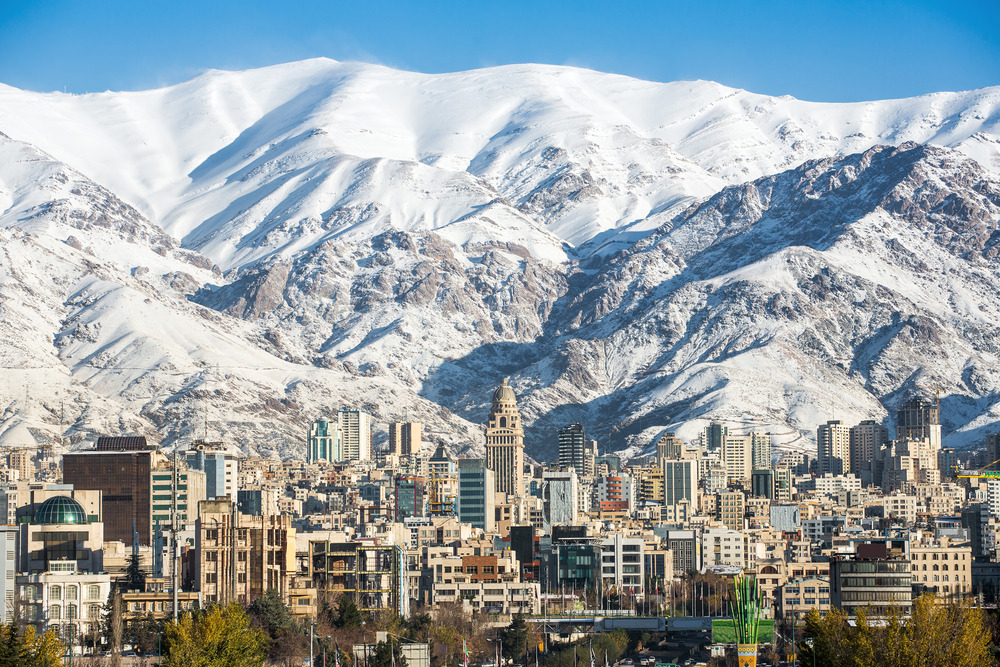
The museum is situated in the Shariati neighbourhood in northern Tehran, on Dr Shariati Avenue. The metro (Line 1) serves the area; several bus lines and shared taxis pass nearby. The neighbourhood is residential and quiet, at a reasonable distance from the Grand Bazaar and the National Museum of Iran.
Nearby attractions
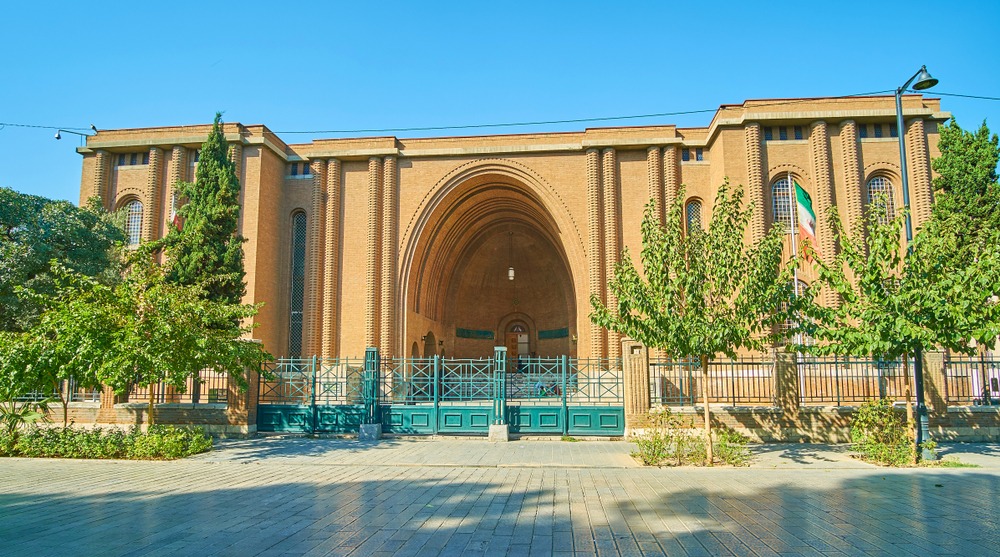
- National Museum of Iran — the country's largest archaeological collection, essential to complement your visit.
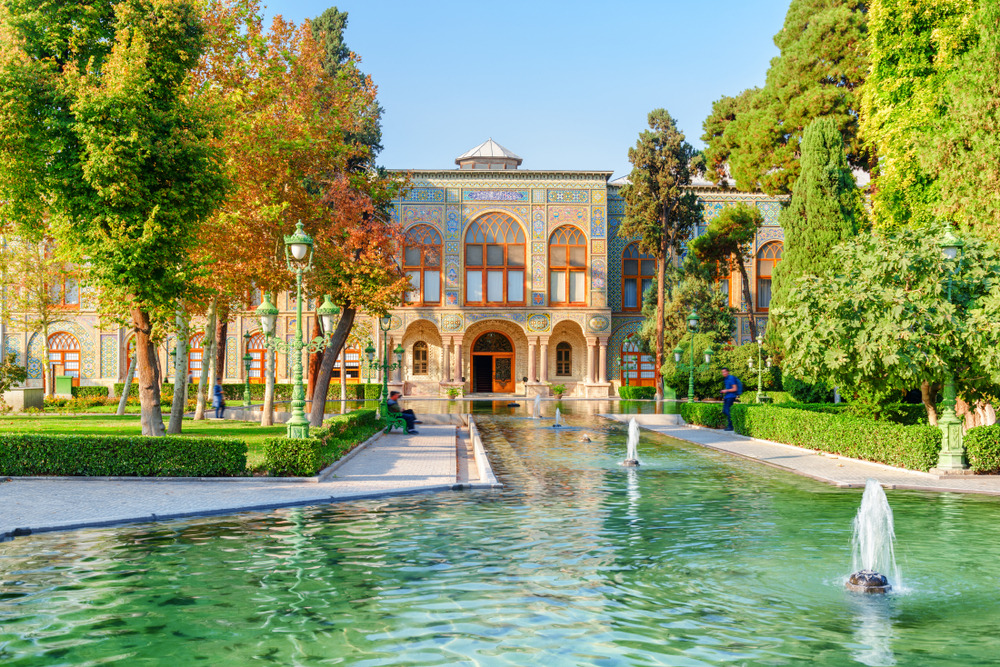
- Golestan Palace — UNESCO-listed Qajar palatial complex in the heart of old Tehran.
- National Jewels Museum — treasures of the Iranian crown, including the Peacock Throne.
- Grand Bazaar of Tehran — one of the Middle East's largest covered bazaars, a few kilometres to the south.
Frequently asked questions
The museum can be visited year-round, whatever the season, as it is entirely indoors. Avoid Iranian public holidays and Friday mornings, when crowds may be heavier.
No reservation is necessary for individual visitors. Organised groups can enquire directly with the museum.
Yes. The National Museum of Iran and Golestan Palace are accessible in the same day by taxi or metro. Allow a full day for all three sites.
Labels are written in Persian and English. There are no labels in other languages. English-speaking guides can be arranged through a local agency.
Photography without flash is generally tolerated in the galleries. Certain pieces may be subject to specific restrictions; ask at the entrance upon arrival.
Women must wear a headscarf and modest clothing (long sleeves, trousers or long skirt). Men should avoid shorts. These rules apply to all visitors, regardless of nationality.
Nearby
Interested in this visit?
We can include it in your personalised itinerary.