Qeshm
Qeshm
Qeshm, Iran's largest island in the Strait of Hormuz, brings together salt canyons, UNESCO-listed mangrove forests and villages with preserved wind towers — far from conventional tourist circuits.
Qeshm is Iran's largest island, positioned in the Strait of Hormuz opposite Bandar Abbas. A free trade zone since the 1990s, it draws visitors equally for its spectacular geological landscapes — salt valleys, mangrove forests, ochre cliffs — and its distinct Bandari culture, heir to centuries of exchange between Persia, Arabia and East Africa. The island remains little frequented by foreign travelers, making it authentically rewarding terrain for exploration.
Practical information at a glance
- Access: direct flights from Tehran, Isfahan and Shiraz to Qeshm airport; ferry from Bandar Abbas (short crossing).
- Free trade zone: nationals of many countries can enter without a prior Iranian visa for a limited stay — verify current conditions with your travel agency.
- Dress code: Iranian dress codes apply (hijab for women, long sleeves).
- Recommended duration: 2 to 3 days to cover the main natural sites.
- Transport on the island: car rental or shared taxi recommended; distances between sites are considerable.
What to see
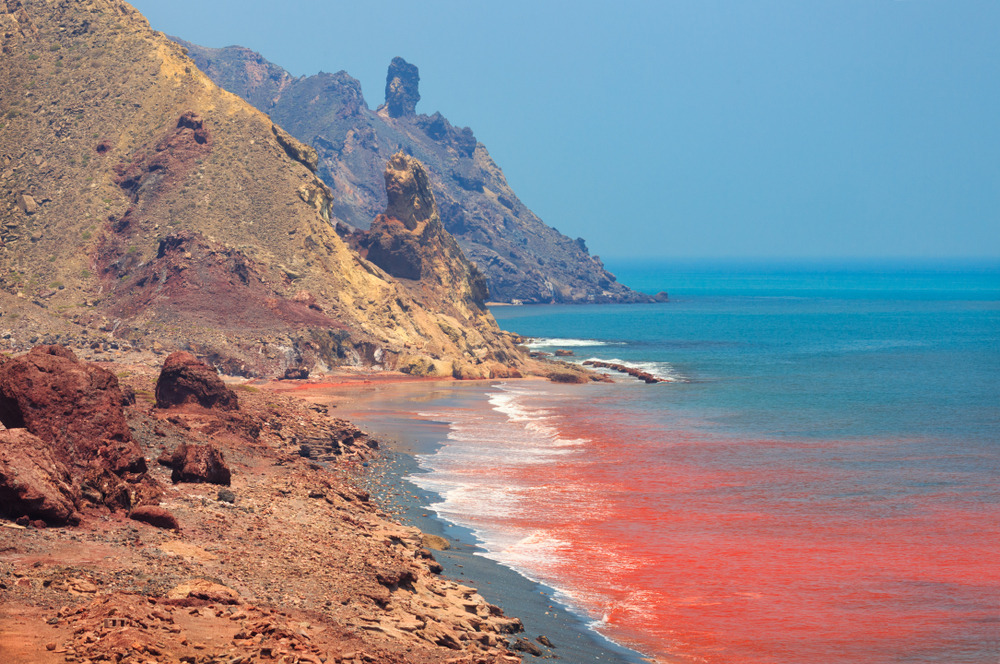
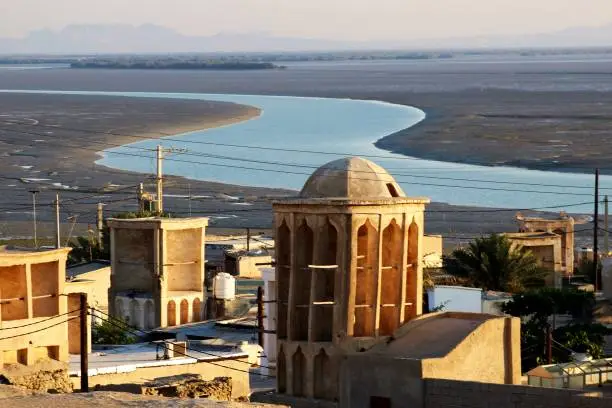
The island concentrates several rare geological formations. The Valley of the Stars (Chahkooh) is a canyon carved into salt and clay, its walls striped with red and ochre. The Hara mangrove forest, designated a UNESCO biosphere reserve, shelters herons, flamingos and dolphins. The Kharbas caves, carved into rock by pre-Islamic populations, overlook the sea. The village of Laft preserves its traditional wind towers (badgir) and its wooden dhow port.
History and context
Qeshm was a major commercial crossroads of the Persian Gulf for centuries, contested between Portuguese, British and Persian powers. The Portuguese left fortifications here in the 16th century. The local culture, known as Bandari, reflects centuries of cultural blending: music, colorful costumes and women's masks (local burqa) testify to Arab, African and Indian influences. The creation of the free trade zone in 1990 transformed the economy without erasing this heritage.
Highlights of your visit
The Valley of the Stars (Chahkooh)
This salt and clay canyon, eroded by wind and rain, forms columns and arches with hues that shift according to the light. Visiting in late afternoon, when the low sun accentuates the relief, is particularly striking.
The Hara mangrove forest
Iran's only mangrove forest open to ecotourism, it is explored by boat. The aerial roots emerge at low tide, creating a vegetated maze inhabited by abundant bird species.
The village of Laft
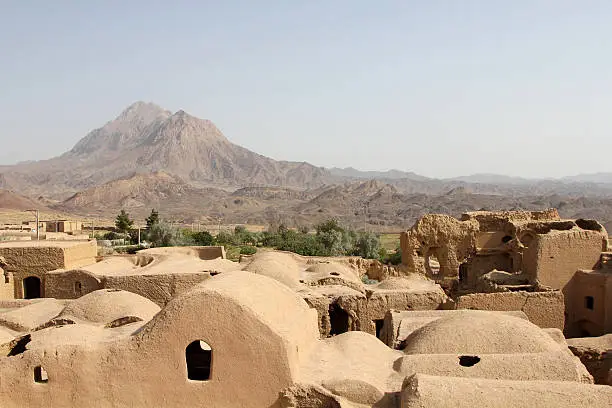
Its adobe wind towers, narrow lanes and wooden dhow port constitute one of the best-preserved vernacular architectural ensembles of the Persian Gulf.
The Kharbas caves
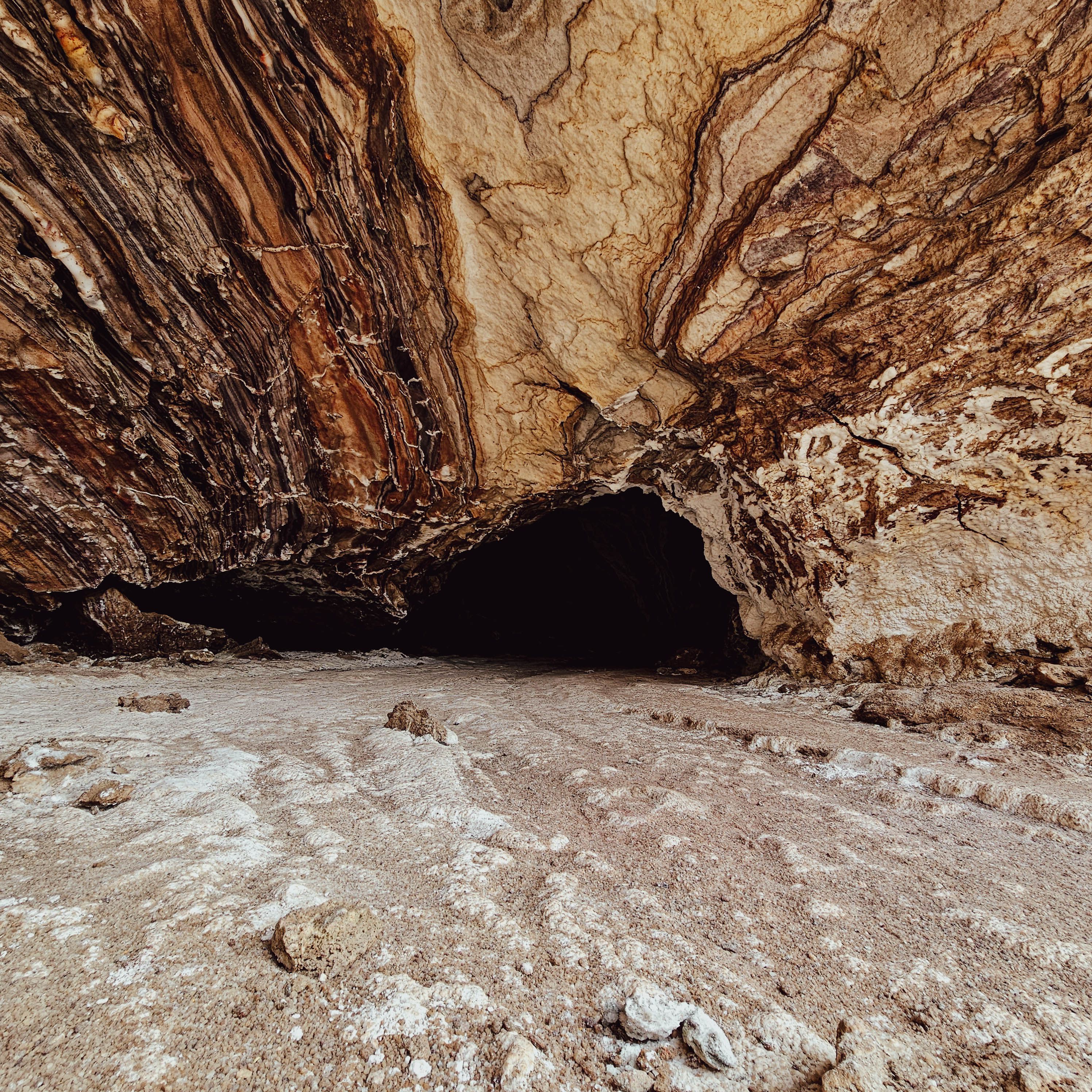
Carved into the limestone cliff, these caves are thought to have served as Zoroastrian places of worship or refuge. They offer direct views of the Strait of Hormuz.
Etiquette and visiting rules
- Respect Islamic dress codes across the entire island, including at natural sites.
- In villages, ask permission before photographing residents, particularly women.
- Do not remove any minerals or plants from the mangrove reserve.
Photography tips
The Valley of the Stars is best photographed during golden hour (1 hour before sunset): the ochre and red hues reach their maximum intensity. For the mangroves, morning light is softer and wildlife more active. At Laft, the wind towers stand out best in backlighting from the harbor.
Location and access
Qeshm is located in the Strait of Hormuz, a few kilometers south of Bandar Abbas (Hormozgan province). Qeshm's international airport receives regular domestic flights. The ferry from Bandar Abbas is an economical and quick alternative. On the island, a network of paved roads connects the main sites; renting a vehicle remains the most flexible way to explore.
Nearby places accessible from Bandar Abbas: Bandar Abbas, the natural starting point before or after Qeshm.
Nearby attractions
- Hormuz Island — small neighboring island with multicolored soils (red, yellow, violet) and the ruins of a Portuguese fort.
- Bandar Abbas — bustling provincial capital, trading port and embarkation point for the strait's islands.
- Hengam Island — renowned for dolphin watching and snorkeling in clear waters.
Frequently asked questions
Winter (November to March) offers pleasant temperatures, between 18 and 28 °C. Summer is very hot and humid, with temperatures regularly exceeding 40 °C — avoid unless you're accustomed to extreme heat.
Qeshm is a free trade zone: certain nationalities can enter without an Iranian visa for a short stay. Conditions vary by nationality and change; verify current rules with your travel agency or Iranian consulate before departure.
Yes. A ferry connects Qeshm to Hormuz. One day is enough to explore Hormuz Island; it's possible to make the round trip from Qeshm in a single day.
Car rental is the most practical solution: sites are spread over a large area. Shared taxis serve the main villages, but schedules are irregular.
Local boatmen offer excursions by boat through the Hara forest. Hiring them is recommended: they know the navigable channels and wildlife observation areas.
Natural sites are freely photographable. In villages and public spaces, avoid photographing women without their explicit consent. No particular military restrictions apply to common tourist sites.
Want to discover this destination?
Our local advisors design your tailor-made trip.