Tabiat Bridge (Nature Bridge)
Tabiat Bridge (Nature Bridge)
Inaugurated in 2014, Tabiat Bridge spans the Modarres highway across three levels and connects Taleghani and Abo-Atash parks. Free admission, views of the Alborz and the pulse of Tehran's urban landscape.
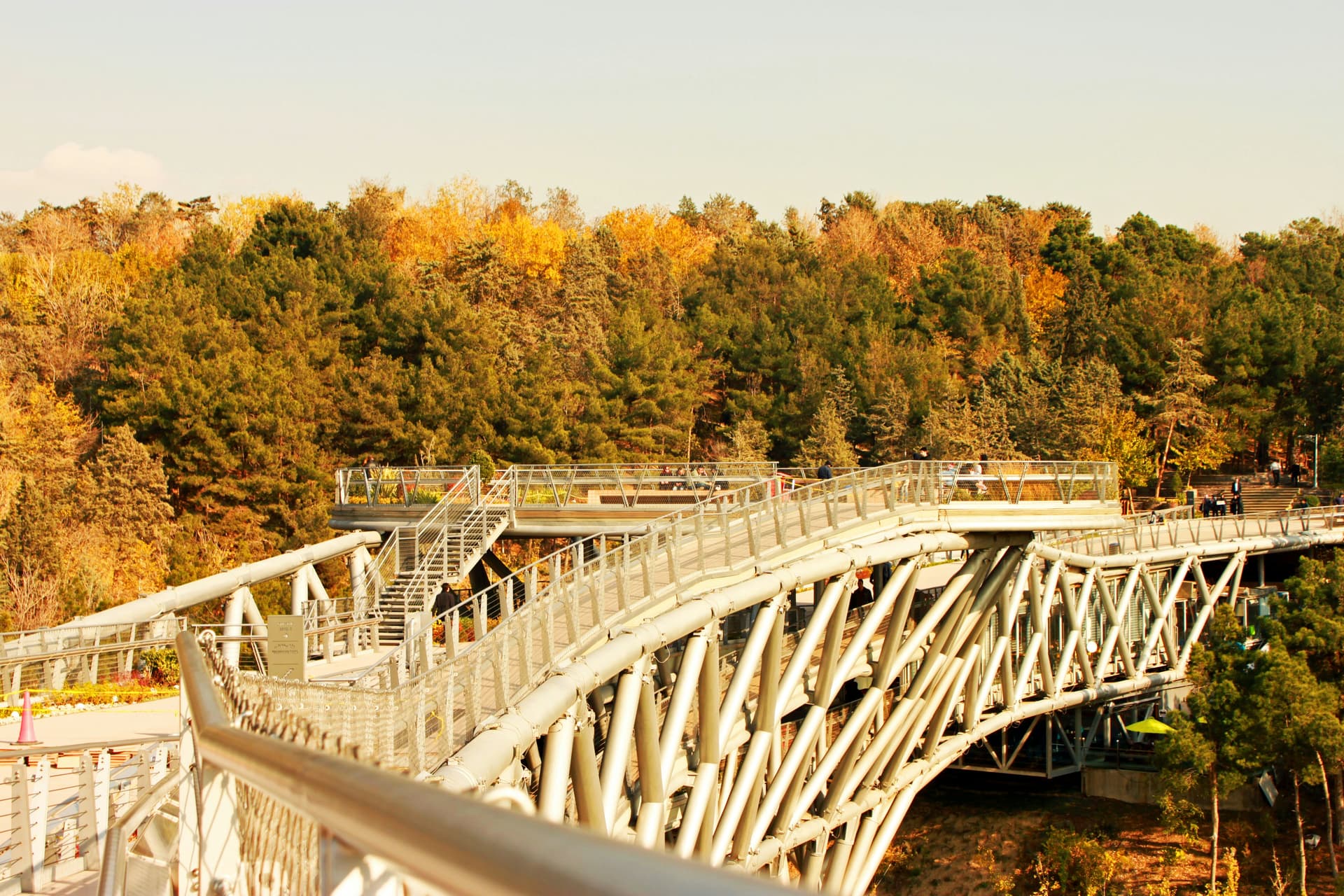
Tabiat Bridge — meaning « nature » in Persian — spans the Modarres highway to connect Taleghani and Abo-Atash parks in northern Tehran. Designed by architect Leila Araghian and inaugurated in 2014, it extends approximately 270 meters across three levels. Both public space and structural achievement, it has become a daily gathering place for Tehranis, particularly vibrant at sunset.
Practical information at a glance
- Entry: free and open to all
- Access: Shahid Haghani metro station (line 3), then a short walk to Taleghani Park
- Recommended duration: 30 to 60 minutes to traverse the bridge and enjoy the terraces
- Dress code: modest attire required (Iranian standards apply); no specific dress code for the bridge itself
- Accessibility: ramps and elevators throughout the structure
What you'll discover
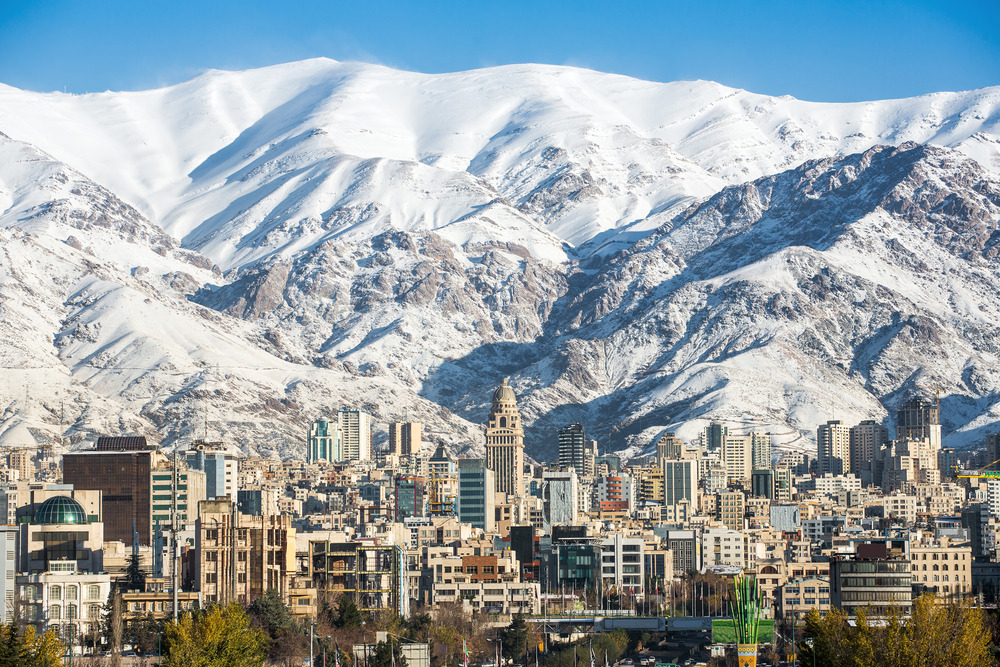
The bridge unfolds across three levels connected by stairs, ramps and elevators. Each level offers a different perspective: views of the highway below, the Alborz mountains to the north, and Tehran's skyline to the south. Dining spaces and cafés occupy certain terraces, transforming the structure into a living destination in its own right.
History and context
The project emerged from a competition launched by Tehran's municipality to bridge the urban divide created by the Modarres highway. Leila Araghian, then a recent graduate, won the competition in 2008. Construction was completed in 2014. The bridge has received numerous international architecture awards and is widely cited as a successful example of urban renewal in Iran.
Highlights of your visit
The three-level structure
Each level has its own character: the lower level, more shaded, runs alongside vegetation; the upper levels open onto expansive urban and mountain views. The inverted Y-shaped metal framework is visible from the adjacent parks.
Sunset
In late afternoon, the low light illuminates the snow-capped peaks of the Alborz. This is the busiest hour: families, couples and photographers gather here. Arriving 30 minutes before sunset allows you to secure a good spot on the terraces.
Cafés and local life
Several dining points are integrated into the structure. Watching Tehran's everyday life unfold — conversations, strolls, selfies — is in itself an authentic experience of the contemporary city.
Photography tips
Golden hour at day's end is ideal for photographing the structure from Taleghani Park, with the Alborz as backdrop. From the upper levels, night long exposures capture the light trails of the highway. No known photographic restrictions for the bridge's outdoor spaces.
Location and access
Tabiat Bridge sits in northern Tehran, between the Vanak and Darous neighborhoods, near Taleghani Park. Shahid Haghani metro station (line 3) is the most convenient option. By taxi or Iranian ride-hailing apps (Snapp, Tap30), ask for « Pol-e Tabiat » or « Taleghani Park ». The bridge is accessible to people with reduced mobility thanks to integrated elevators.
In the vicinity
- Taleghani Park — large urban park directly connected to the bridge, ideal for extending your walk.
- Milad Tower — telecommunications tower with panoramic observation platform over Tehran.
- Tehran Museum of Contemporary Art — one of the most significant modern art collections in the Middle East.
- Niavaran Complex — former imperial residence in the north of the city, with gardens and museums.
Frequently asked questions
The bridge is pleasant year-round. Spring (March-May) and autumn (September-November) offer mild temperatures. In summer, consider visiting in the evening to avoid the heat.
No, crossing the bridge is entirely free. Only the integrated cafés and restaurants charge fees.
Yes. Taleghani Park is directly accessible from the bridge. The Museum of Contemporary Art and Milad Tower can be reached by taxi or metro in less than 20 minutes.
Yes, elevators and ramps provide access to the different levels without needing to use stairs.
No photographic restrictions are reported for outdoor spaces. Simply respect the privacy of other visitors.
Peak times are late afternoon and evening, especially on the Iranian weekend (Thursday and Friday). For a more peaceful experience, visit in the morning.
Interested in this visit?
We can include it in your personalised itinerary.