Suse (Shush)
Suse (Shush)
Founded around 4200 BCE, Suse (Shush) was the Elamite capital and later the residence of Darius I. Archaeological tells, a French castle and the Tomb of Daniel make up this UNESCO site in Khuzestan.
Suse — Shush in Persian — is one of the world's oldest continuously inhabited cities, founded around 4200 BCE in the Khuzestan plain. Capital of the Elamite empire and later an Achaemenid royal residence, it concentrates layers of history on a single site: archaeological tells, the palace of Darius, the biblical Tomb of Daniel, and a 19th-century French castle. Inscribed as a UNESCO World Heritage Site in 2015, Suse is a major stop for understanding eastern Mesopotamia.
Practical information at a glance
- Access: Shush is located approximately 120 km north of Ahvaz, accessible by bus or car from Ahvaz or Dezful.
- Recommended duration: a full day for the archaeological site, museum and Tomb of Daniel.
- Dress code: Islamic dress required (headscarf for women, long sleeves).
- Climate: extremely hot summers (exceeding 45 °C); November to March is preferable.
- Admission: the archaeological site and museum are paid; the Tomb of Daniel is free to enter.
What to see
The site comprises several tells (artificial hills formed by centuries of occupation): the Acropolis, the Royal City, the Apadana and the Craftsmen's Quarter. The Shush Museum, housed in Dieulafoy Castle, displays Elamite and Achaemenid objects. The Tomb of Daniel, recognizable by its white helical spire, is a pilgrimage site for Jews, Christians and Muslims.
History and context
Suse was first the capital of the kingdom of Elam, rival to Babylon. Darius I built a monumental palace there around 521 BCE, whose friezes of glazed bricks depicting the Immortal Archers now reside in the Louvre. Alexander the Great conquered it in 331 BCE. The city gradually declined after the Arab conquest in the 7th century, though the site was never entirely abandoned.
Highlights of the visit
Dieulafoy Castle
Built in the late 19th century by the French archaeological mission to protect excavations, this neo-medieval castle now houses the local museum. Its unexpected architecture contrasts with the surrounding arid plain and offers a vantage point over the tells.
Darius's Apadana
The foundations of the columned hall of the Achaemenid palace remain visible on the Apadana tell. Column bases and cuneiform inscriptions testify to the grandeur of the royal residence, comparable to Persepolis.
The Tomb of Daniel
This mausoleum with its white spiraling spire is venerated as the burial place of the prophet Daniel. The interior, austere and contemplative, welcomes pilgrims of several faiths. The current structure dates from the Islamic period, rebuilt multiple times.
The archaeological tells
Walking among the tells allows you to grasp the scale of human occupation: some reach heights of twenty meters or more, accumulated over millennia of construction and destruction.
Etiquette and visiting rules
- Respect silence and Islamic dress code inside the Tomb of Daniel.
- Women must cover their hair within the mausoleum.
- Do not touch archaeological remains on the tells.
- Photography is generally permitted on site, but check restrictions inside the museum.
Photography tips
Golden morning light is ideal for photographing the tells from Dieulafoy Castle. Daniel's Tomb's helical spire stands out beautifully against a blue sky mid-morning. Avoid midday hours in summer: heat creates thermal haze that degrades photos.
Location and access
Shush is located in the province of Khuzestan, in southwestern Iran, approximately 120 km north of Ahvaz and about thirty kilometers from Tchoga Zanbil. Regular buses connect Ahvaz to Shush. By car, the route from Ahvaz is direct and well-maintained. The city of Dezful is approximately forty kilometers to the north and has an airport.
Nearby attractions
- Tchoga Zanbil — Elamite ziggurat from the 13th century BCE, one of the best-preserved in the world, approximately 30 km to the southeast.
- Ahvaz — capital of Khuzestan province, the logistical starting point for the region, with its bridges over the Karun River.
- Haft Tappeh — Elamite site with museum, about fifteen kilometers from Shush.
Attractions in Suse (Shush)
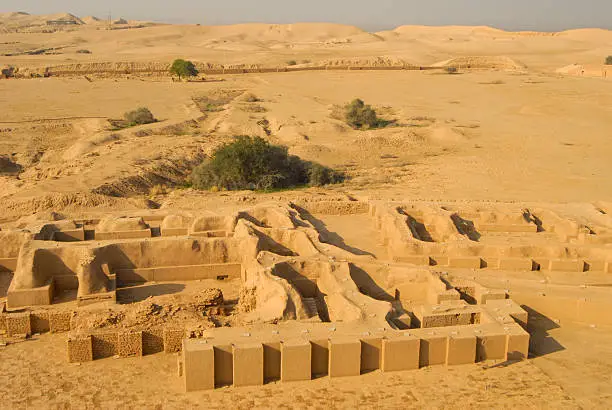
Tchogha Zanbil (Chogha Zanbil)
Tchogha Zanbil abrite l'une des ziggourats les mieux conservées du Proche-Orient ancien, érigée vers 1250 av. J.-C. par le roi élamite Untash-Napirisha. Premier site iranien classé à l'UNESCO, il se visite depuis Suse ou Ahvaz.
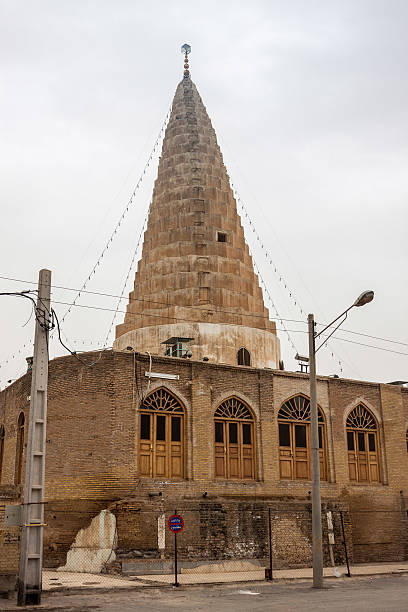
Tombeau de Daniel (Suse)
Le tombeau attribué au prophète Daniel, à Shush (Suse), est l'un des rares lieux de pèlerinage interreligieux d'Iran. Son cône blanc hélicoïdal domine la rive du Shaour et attire musulmans, juifs et chrétiens.
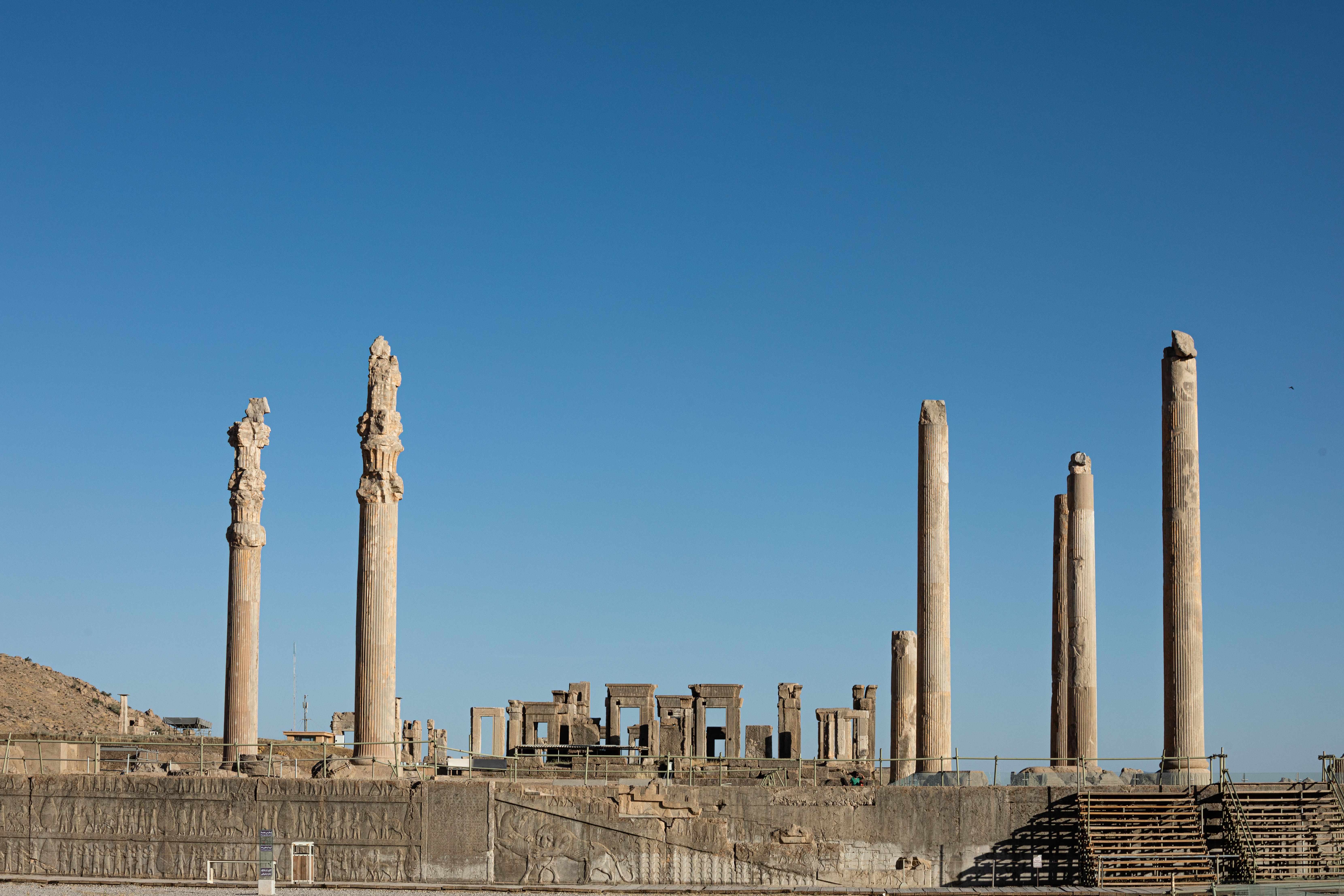
Palais de l'Apadana de Suse
Érigé par Darius Ier vers 515 av. J.-C., le palais de l'Apadana de Suse est l'un des grands chantiers de l'empire achéménide. Colonnes monumentales, frises d'archers émaillées et strates d'histoire sur la terrasse royale du Khuzestan.
Want to discover this destination?
Our local advisors design your tailor-made trip.