Ahvaz
Ahvaz, on the banks of the Karun River in southwestern Iran, is the ideal base for exploring the Elamite sites of Khuzestan: Chogha Zanbil, Susa, and Shushtar are within easy reach.
Ahvaz is the capital of Khuzestan Province in southwestern Iran, situated on the Karun River — the country's only navigable waterway. An oil and industrial hub, the city also bears the imprint of ancient history linked to Elamite and Sassanid civilizations. Its lively riverfront, bustling markets, and Arab-Iranian cuisine make it an authentic stop, far removed from conventional tourist circuits.
Essential Information at a Glance
- Access: Ahvaz International Airport (AWZ), served from Tehran, Isfahan, and Mashhad; railway station connected to Tehran.
- Best time to visit: October to March — summers regularly exceed 45 °C (113 °F).
- Dress code: standard Iranian dress code (hijab mandatory for women, long sleeves recommended).
- Recommended duration: 1 to 2 days for the city and immediate surroundings.
What to See
The Karun Corniche is the social heart of the city: locals gather here in the evenings, boats cross the river, and illuminated bridges create a distinctive atmosphere after dark. The Ahvaz Bazaar blends spices, fabrics, and jewelry in a decidedly local atmosphere. The city also features several historic mosques and an archaeological museum housing Elamite and Parthian artifacts from Khuzestan's excavations.
History and Context
The region has been inhabited since antiquity: the ancient city of Hormozd Ardashir, founded during the Sassanid era, predates modern Ahvaz. Khuzestan was the cradle of Elamite civilization (3rd millennium BCE) and remains one of Iran's richest archaeological zones. In the 20th century, the discovery of oil radically transformed the region. The city was also one of the major fronts during the Iran-Iraq War (1980-1988), and some neighborhoods still bear the scars of that conflict.
Highlights of a Visit
The Karun Corniche
The Karun is Iran's most powerful river. Its corniche offers a vibrant promenade, especially in late afternoon when the heat subsides. Suspension bridges and water taxis offer an original perspective on the city.
The Central Bazaar
Less frequented by foreign tourists than those in Isfahan or Shiraz, Ahvaz's bazaar reflects Khuzestan's Arab-Iranian culture: dates, local spices, embroidered fabrics, and handcrafted silverware sit alongside everyday commerce.
Khuzestan's Archaeological Sites
Ahvaz serves as a base for reaching Susa (Shush) and Chogha Zanbil, an Elamite ziggurat inscribed in UNESCO's World Heritage — two of the Middle East's most important ancient sites.
Photography Tips
Golden light in late afternoon on the Karun and its bridges offers the best photographic window. Avoid midday in summer: heat haze and industrial pollution reduce visibility. Always ask permission before photographing people.
Location and Access
Ahvaz lies approximately 120 km from the Iraqi border and some 700 km southwest of Tehran. The airport is well connected to major Iranian cities. By train, the Tehran-Ahvaz link runs regularly. The city is flat and taxis are the most practical urban transport. For surrounding archaeological sites, a rental car or day taxi is recommended.
Nearby Attractions
- Chogha Zanbil — Elamite ziggurat from the 13th century BCE, one of the world's best preserved, UNESCO-listed.
- Susa (Shush) — ancient Elamite and Achaemenid capital, major archaeological site with the Tomb of the Prophet Daniel.
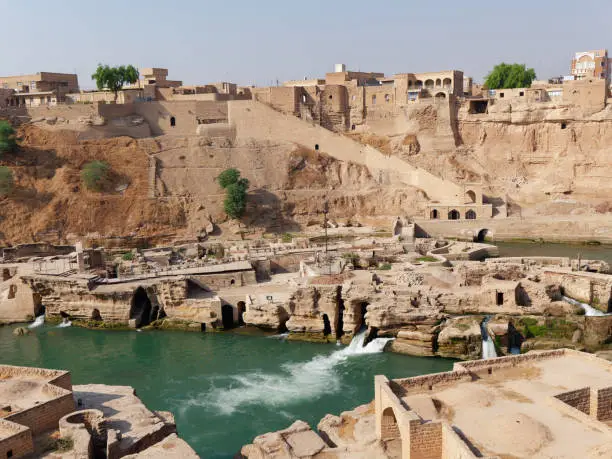
- Shushtar — historic Sassanid hydraulic system inscribed in UNESCO World Heritage, approximately 90 km to the north.
- Dezful — ancient city with a remarkable Sassanid bridge over the Dez River, approximately 130 km to the north.
Frequently asked questions
October to March, when temperatures are manageable (15-25 °C / 59-77 °F). Summer is extremely hot and humid, with regular peaks above 45 °C (113 °F).
Yes. Chogha Zanbil is approximately 80 km from Ahvaz. A day taxi allows you to combine this site with Susa in a single excursion.
The city is generally accessible to tourists, but consult your government's travel advisories before departing, due to proximity to the Iraqi border and regional context.
Khuzestan cuisine is influenced by Arab culture: grilled Karun fish, herb rice, and tamarind-based spiced stews are typical dishes of the region.
Two days are sufficient for the city. Add one day for Chogha Zanbil and Susa, and another for Shushtar if you wish to explore the region's UNESCO heritage.
Want to discover this destination?
Our local advisors design your tailor-made trip.