Ahwaz
Ahwaz
Ahvaz, on the banks of the Karun River in southwestern Iran, is the gateway to Khuzestan: a lively bazaar, Sassanid bridges, and access to UNESCO World Heritage sites Chogha Zanbil and Susa.
Ahvaz is the capital of Khuzestan Province in southwestern Iran, situated on the banks of the Karun River. An oil and industrial crossroads, the city also bears traces of ancient history: Elamite and Achaemenid civilizations, Sassanid bridges, animated markets. The Karun—Iran's only navigable river—structures urban life and offers unexpected respite in the heart of a metropolis often overlooked by foreign travelers.
Practical Information at a Glance
Access: Ahvaz International Airport (AWZ), served from Tehran, Isfahan, and other Iranian cities; railway station connected to the national network.
Dress code: Iranian dress codes apply — headscarves mandatory for women, covering clothing for all.
Climate: extremely hot summers (often exceeding 45 °C); October to March is considerably more pleasant for visiting.
Language: Persian and Khuzestani Arabic are both spoken throughout the region.
What to See
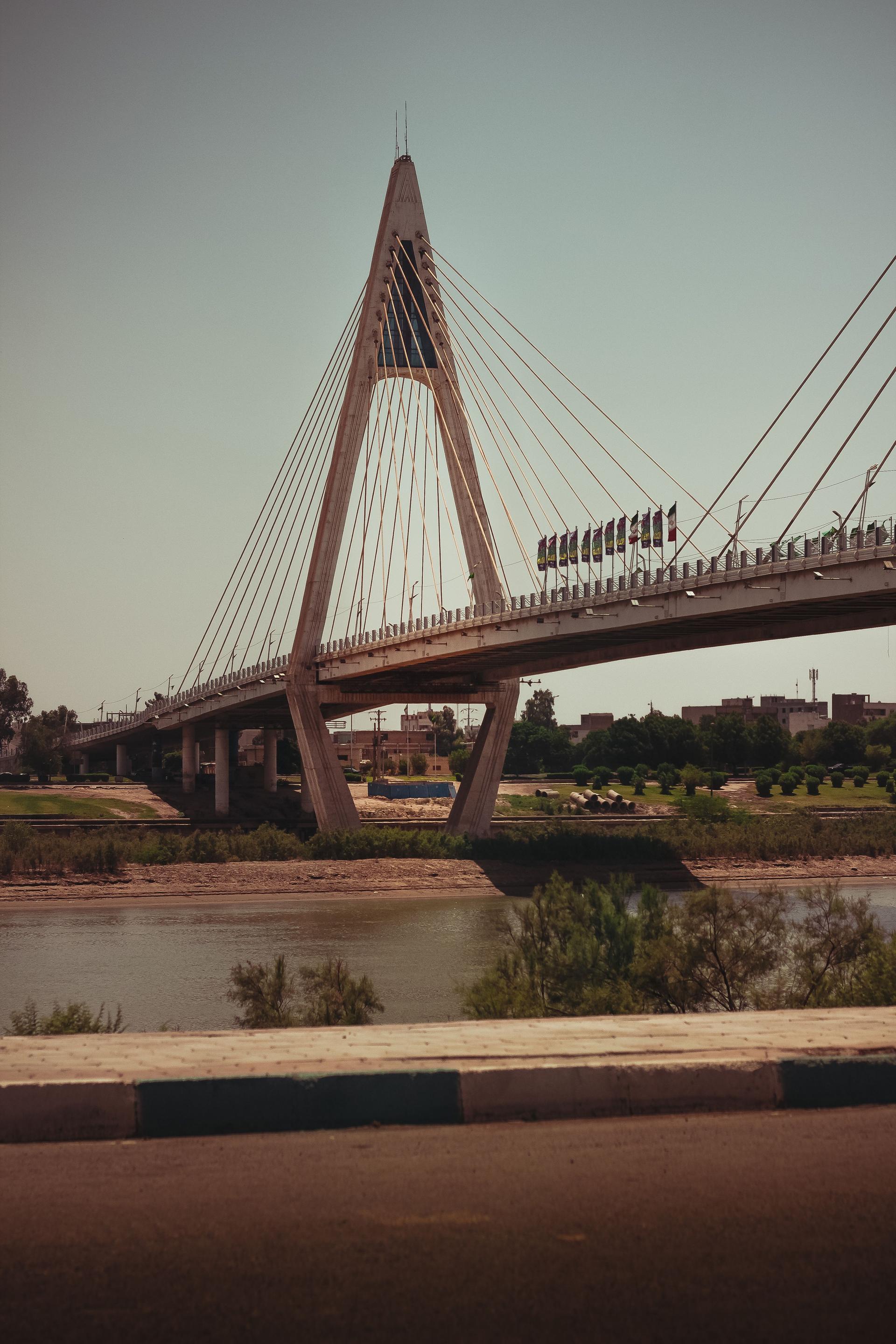
The Karun River remains Ahvaz's beating heart. Its landscaped banks welcome strollers and fishermen at sunset. The Pol-e Sefid (White Bridge) and other historic bridges spanning the river testify to Sassanid engineering. The Ahvaz Bazaar blends spices, textiles, and goldwork in a distinctly Khuzestani atmosphere.
History and Context
The site has been inhabited since antiquity: the Khuzestan region corresponds to ancient Elam, one of the world's earliest urban civilizations. Ahvaz itself was refounded during the Sassanid era under the name Hormuz Ardashir. The discovery of oil in the early twentieth century transformed the city into a major industrial hub, attracting a diverse population of Arab, Persian, Lur, and Bakhtiari origin.
Highlights of Your Visit
The Karun Riverbanks at Dusk
In late afternoon, families gather along the shores. Wooden boats cross the river in minutes, offering clear views of the bridges and industrial skyline. It's the city's most photogenic moment.
The Central Bazaar
The covered market concentrates premium dates (Khuzestan is one of Iran's leading date-producing regions), local spices, and Arab crafts. Vendors of halva and fried sambousa animate the interior lanes.
Archaeological Sites in the Surrounding Area
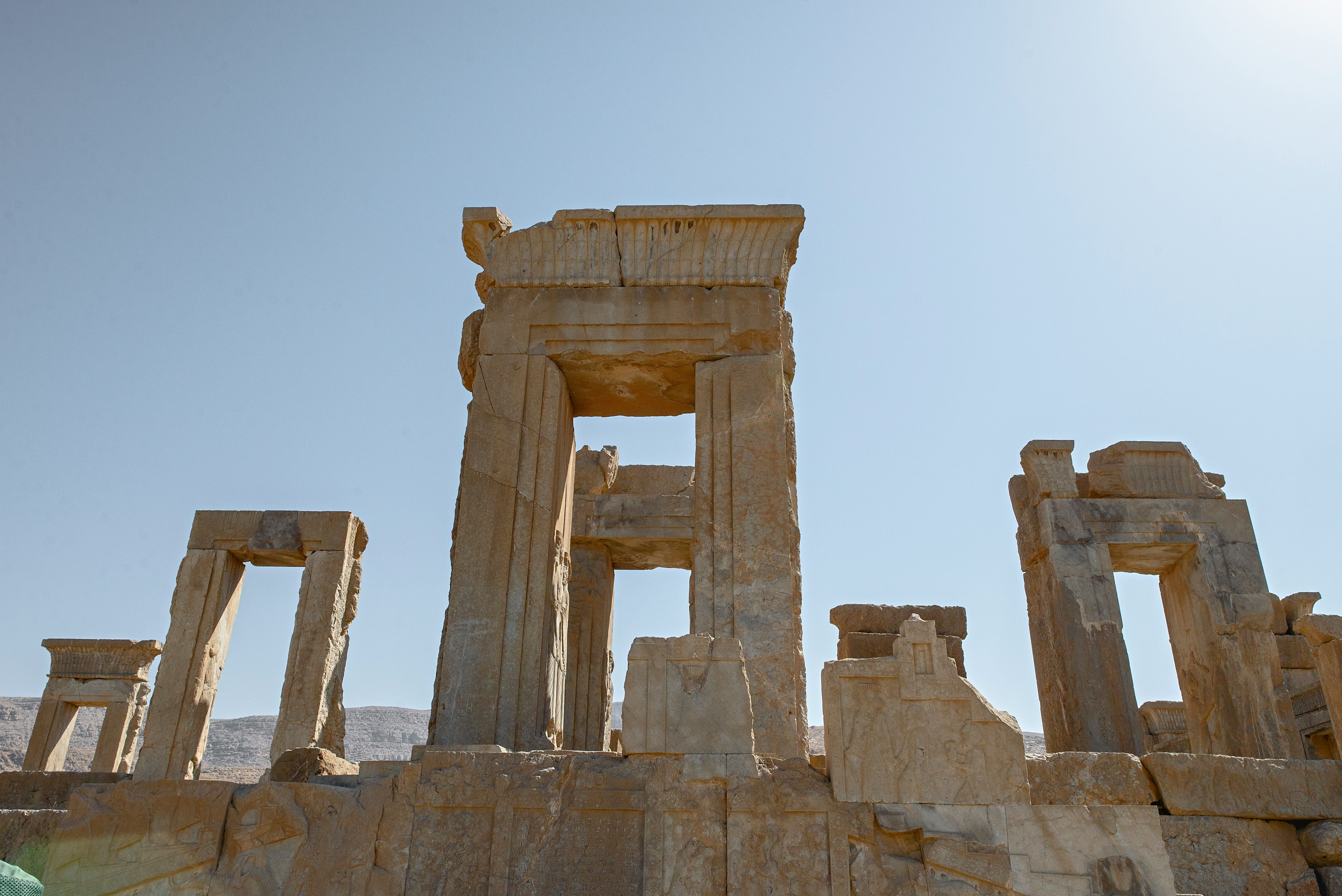
The province holds major sites accessible by day excursion: Susa (Shush), ancient Elamite and Achaemenid capital, and Chogha Zanbil, a ziggurat inscribed in UNESCO World Heritage, rank among the Near East's most important ancient sites.
Photography Tips
Golden light in late afternoon over the Karun is most favorable. Photograph the bridges from the lower banks to include their reflection in the water. Always ask permission before photographing people, particularly in the bazaar.
Location and Access
Ahvaz lies roughly 120 km from the Iraqi border and some 400 km southwest of Isfahan. The airport sits close to the city center. Intercity buses connect Ahvaz to major Iranian cities. Within the city, taxis and local ride-sharing apps are the most convenient transportation.
Nearby
Susa (Shush) — ancient Elamite and Achaemenid capital, one of Iran's richest archaeological sites.
Chogha Zanbil — Elamite ziggurat from the thirteenth century BCE, inscribed in UNESCO World Heritage.
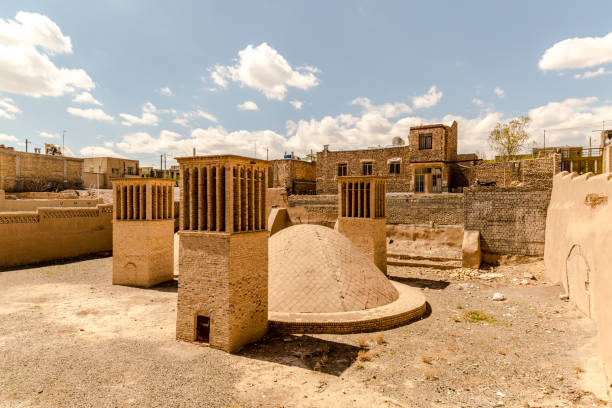
Shushtar — historic Sassanid hydraulic system, also inscribed at UNESCO, roughly 90 km north of Ahvaz.
Dezful — historic city on the Dez River, known for its ancient Sassanid bridge and old town center.
Frequently asked questions
October to March offers manageable temperatures. Summer (June-September) is not recommended: heat regularly exceeds 45 °C and sandstorms are frequent.
The city works well as a base for exploring Khuzestan: Chogha Zanbil, Susa, and Shushtar are accessible as day trips. Ahvaz's city center itself appeals mainly to travelers curious about authentic Iranian urban life.
Standard Iranian rules apply: headscarves mandatory for women in public spaces, clothing covering arms and legs for all.
Photography is generally permitted in public spaces and along the Karun banks. Avoid photographing industrial, military, or oil installations, and seek consent from people before taking their photographs.
Khuzestani gastronomy blends Arab and Persian influences: sambousa (fried pastries), grilled Karun fish, fresh dates, and local halva are not to be missed in the bazaar or riverside restaurants.
Want to discover this destination?
Our local advisors design your tailor-made trip.