Varzaneh
Varzaneh
Varzaneh, 100 km east of Isfahan, surprises with its white sand dunes, earthen Safavid caravanserai and raw earth-built alleyways. An authentic stop at the gateway to the Iranian desert.
Varzaneh is a small historic town in Isfahan Province, situated east of the arid plain that borders the Varzaneh Desert. Known for its white sand dunes, its Safavid caravanserai and its women wearing the traditional white chador, it offers a striking contrast between earthen architecture and desert landscapes. It is one of the rare Iranian destinations where desert, heritage and rural traditions coexist within walking distance of one another.
Quick reference
- Access: from Isfahan by car or bus (approximately 100 km east on the Ardestan road).
- Recommended duration: at least one night to enjoy the sunrise over the dunes.
- Dress code: Iranian dress codes apply; the local white chador is worn by village women.
- Best time to visit: autumn and spring — summers are very hot, winters cold at night.
What to see
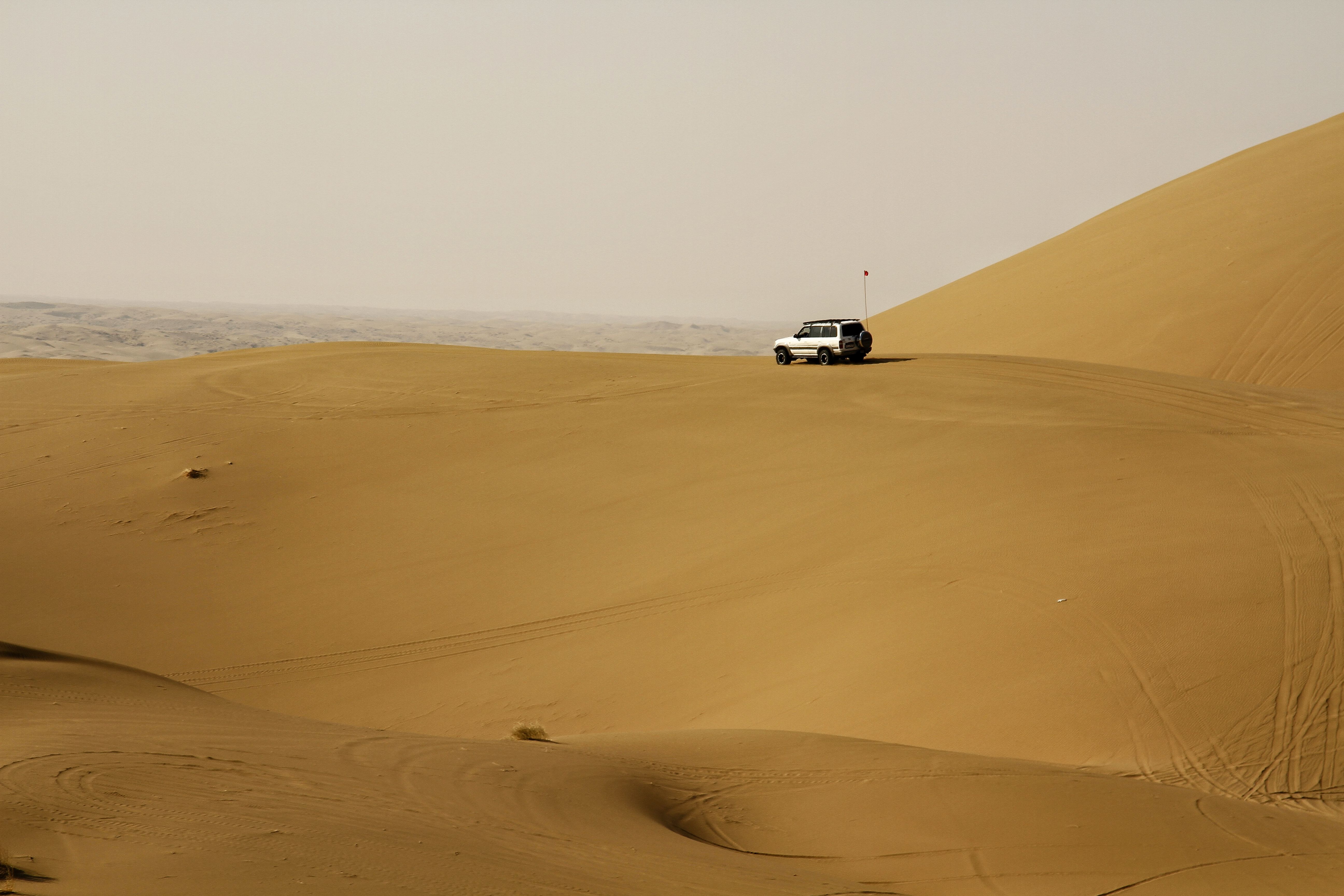
Varzaneh's landscape unfolds in three distinct registers. White sand dunes extend to the southeast of the town, forming an erg accessible on foot from the center. The Safavid caravanserai, built in rammed earth and clay bricks, testifies to Varzaneh's role on ancient trade routes. The old bazaar and the Friday Mosque complete this picture of vernacular architecture.
History and context
Varzaneh developed as a caravanserai stop between Isfahan and Khorasan. The Safavid era (16th–18th century) left behind its most visible monuments. The town is also renowned for the production of kilims and traditional textiles, an activity that persists in family workshops. The white chador, extremely rare in Iran, is a strong identity marker of the local community.
Highlights of your visit
The white sand dunes
Unlike the ochre ergs of Dasht-e Kavir, Varzaneh's dunes display unusually pale sand. Sunrise and sunset create highly photogenic play of shadows. You can explore them on foot or by camel depending on available local providers.
The Safavid caravanserai
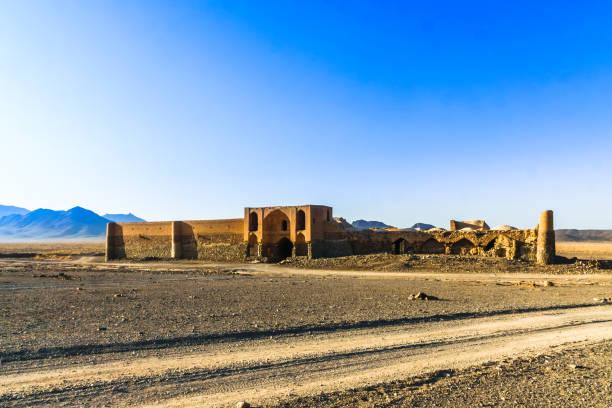
Built in rammed earth and raw clay brick, this caravanserai retains its central iwan structure. It illustrates the transit architecture characteristic of the Iranian plateau: austere, functional, perfectly adapted to an arid climate.
The old urban fabric
Varzaneh's alleyways, lined with earthen walls, lead to the Friday Mosque and a few traditional houses still inhabited. The atmosphere is that of a preserved rural village, far from Isfahan's mass tourism.
Photography tips
The best time to photograph the dunes is the golden hour, early morning or late afternoon. Raking light accentuates ridges and cast shadows. For earthen architecture, mid-morning light reveals textures without overexposing pale facades. Check local restrictions before photographing residents, particularly women.
Etiquette and visit guidelines
Respect Iranian dress codes in all public spaces. At the Friday Mosque, remove your shoes before entering and wear clothing that covers arms and legs. Always ask permission before photographing people.
Location and access
Varzaneh is located approximately 100 km east of Isfahan, accessible by the main road toward Ardestan. Buses connect Isfahan to Varzaneh, but a car or tourist taxi offers greater flexibility for exploring the dunes and surrounding areas. No direct rail link exists. Accessibility for people with reduced mobility is limited in the old town and on the dunes.
Nearby
- Isfahan — the region's great historic metropolis, with Naqsh-e Jahan Square and its Safavid mosques.
- Ardestan — small town on the desert road, known for its Friday Mosque with Seljuk architecture.
- Nayin — carpet city and home to one of Iran's oldest Friday Mosques.
Frequently asked questions
Spring (March–May) and autumn (September–November) offer pleasant temperatures. Summer is very hot in this desert region; winter can be cold at night but days often remain sunny.
One night is recommended to enjoy the sunrise over the dunes, which is the most spectacular moment. Traditional guesthouses (eco-lodges) exist in Varzaneh, but book in advance as availability is limited.
Technically possible by car, but one day is not enough to appreciate the dunes at the best light. It's better to plan at least one night on site.
Iranian dress codes apply: headscarf mandatory for women, covering clothes for everyone. At the mosque, remove your shoes. The local white chador is worn by residents but is not imposed on visitors.
Local providers offer camel rides on the dunes. Inquire at your accommodation or with a local agency in Isfahan to arrange this activity.
Buses connect Isfahan to Varzaneh, but schedules are limited. To explore the dunes and surroundings at your own pace, a rental vehicle or tourist taxi from Isfahan is far more practical.
Want to discover this destination?
Our local advisors design your tailor-made trip.