Gorgan
Gorgan
Gorgan in northeastern Iran blends UNESCO-protected Hyrcanian forests, the Sassanid Great Wall, and Turkmen craftsmanship. A nature and history destination at the threshold of the Caspian Sea.
Gorgan is the capital of Golestan Province in northeastern Iran, where UNESCO-listed Hyrcanian forests meet the Caspian steppe. Once an important caravan city along the Silk Road, it weaves together historical heritage, lush landscapes, and Turkmen gastronomy. Its position between forested mountains and coastal plains makes it an excellent base for exploring one of Iran's most verdant regions.
Practical Information at a Glance
Access: Gorgan Airport (GBT) with domestic flights from Tehran; railway station connected to Tehran and Mashhad.
Dress Code: Iranian dress codes apply — hijab mandatory for women in public spaces.
Recommended Duration: 2 to 3 days for the city and immediate surroundings.
Best Time to Visit: Spring (April–May) and autumn (September–October) to avoid summer humidity.
What to See
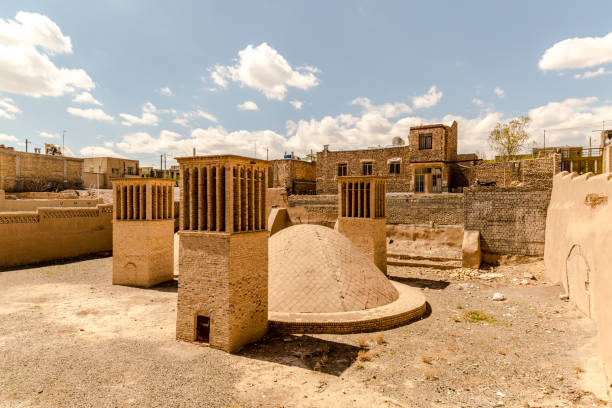
Gorgan's historic bazaar, partially covered, concentrates local crafts, spices, and Turkmen textiles. The old town preserves several traditional mud-brick courtyard houses. The Golestan Museum exhibits archaeological artifacts from regional excavations, notably pieces linked to Parthian civilization. Neighborhood mosques punctuate the urban fabric without dominating the landscape.
History and Context
Gorgan — formerly known as Astarabad — was an important administrative and commercial center under the Safavid and Qajar dynasties. The region has been inhabited since antiquity: the Parthians maintained settlements here, and the Gorgan Great Wall (or Red Wall), several kilometers to the north, stands as testament to remarkable Sassanid defensive engineering dating from the 5th–6th centuries. The city was renamed Gorgan in the 20th century.
Highlights of Your Visit
The Gorgan Great Wall
Stretching over 195 kilometers, this Sassanid fortification ranks among the largest defensive structures of antiquity after the Great Wall of China. It runs between the Caspian Sea and the Alborz Mountains. Visible sections near Gorgan allow visitors to grasp its scale and fired-brick construction technique.
The Bazaar and Turkmen Craftsmanship
Golestan Province is home to a significant Turkmen community. Gorgan's bazaar offers carpets, kilims, and silver jewelry characteristic of this artisanal heritage. Geometric patterns and vibrant colors distinguish these pieces from classical Persian production.
The Hyrcanian Forests
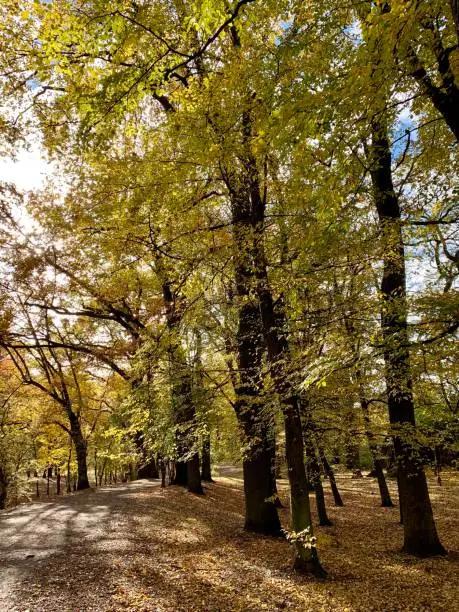
Inscribed as a UNESCO World Heritage Site in 2019, these relict forests extend southward from Gorgan across the Alborz slopes. They harbor exceptional biodiversity — Persian leopards, brown bears, and Tertiary plant species. Golestan National Park, accessible from the city, forms its protected core.
Photography Tips
Morning light in the bazaar, before crowds arrive, reveals the textures of fabrics and spices. For the wall, early morning or late afternoon softens brick glare. In the Hyrcanian forests, slightly overcast days diffuse light beneath the canopy and prevent harsh shadows.
Location and Access
Gorgan lies approximately 400 kilometers east of Tehran by road, in the Caspian coastal plain. The airport handles regular domestic flights. Train service connects the city to Tehran in several hours. Within the city, taxis and local ride-sharing apps provide the most practical transport. Accessibility for people with reduced mobility remains limited in the old town and at natural sites.
Nearby
Golestan National Park — Iran's first national park, Hyrcanian forests and wildlife less than an hour's drive away.
Gorgan Great Wall — monumental Sassanid fortification, accessible by car from the city.
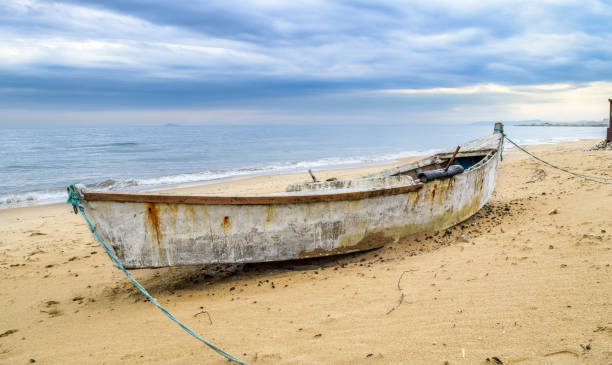
Bandar Torkaman — Turkmen fishing port on the Caspian, lively fish market and lakeside landscapes.
Naharkhoran — wooded valley at Gorgan's gates, a favorite walking spot for locals.
Frequently asked questions
Spring (April–May) and autumn (September–October) offer pleasant temperatures. Summer is hot and humid due to Caspian proximity; winter can be rainy but forests remain accessible.
Sections near the city are accessible without a guide, but a local companion helps identify the best viewpoints and contextualizes the history. Local agencies in Gorgan offer this service.
Yes, the park is less than an hour's drive away. Plan a full day for trails and an overnight stay if you wish to observe wildlife at dawn.
Standard Iranian dress codes apply: hijab mandatory for women in all public spaces, clothing covering arms and legs for everyone. No additional requirements specific to the city.
Gorgan's central bazaar and Bandar Torkaman markets are your best bets. Favor vendors who work directly with artisans from the local Turkmen community.
Naharkhoran Valley, at the city's gates, is easily accessible on foot. For deeper zones within Golestan National Park, a vehicle is necessary.
Want to discover this destination?
Our local advisors design your tailor-made trip.