Rafsanjan
Rafsanjan, in Kerman province, is Iran's pistachio capital. Between its lively bazaar, endless orchards and Safavid mosque, the city offers an authentic stopover far from conventional tourist circuits.
Rafsanjan is a city in Kerman province, in south-central Iran. Its worldwide reputation stems from pistachios: the region produces a considerable share of Iran's harvest, itself among the world's leading producers. Beyond the orchards, the city preserves a bustling bazaar, historic mosques and a museum dedicated to former president Hashemi Rafsanjani, a native of the region.
Practical information at a glance
- Access: Rafsanjan has an airport serving Tehran; regular buses connect to Kerman (approximately 2 hours' drive).
- Recommended duration: a half-day to one day is sufficient for the bazaar, museum and immediate surroundings.
- Dress code: Iranian dress codes apply — headscarf mandatory for women, covering clothing for everyone.
What to see
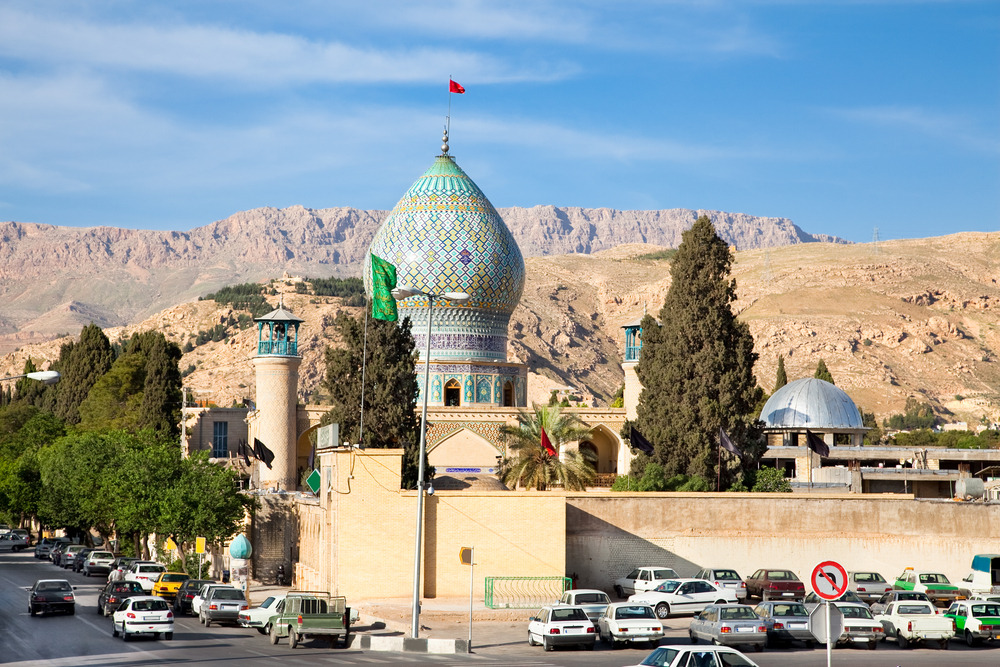
Rafsanjan's central bazaar remains the commercial heart of the city. Pistachio stalls — raw, roasted, salted, flavored — dominate overwhelmingly. You'll also find spices, carpets and local crafts. The Grand Mosque (Masjed-e Jame) dates from the Safavid era and features the characteristic brick architecture of Kerman's arid region.
History and context
Rafsanjan is mentioned in medieval sources under the name Bahr Aseman. Pistachio cultivation is attested there for several centuries; irrigation by qanat (underground galleries) enabled the cultivation of these trees in a semi-desert environment. The city gained international political dimensions as the birthplace of Ali Akbar Hashemi Rafsanjani, president of the Islamic Republic from 1989 to 1997.
Highlights of your visit
The bazaar and its pistachios
Wandering through the bazaar to observe pistachio trading is a concrete and sensory experience. Vendors offer dozens of varieties; tasting and comparing is encouraged. It's also the ideal place to take home superior quality fresh pistachios.
The Rafsandjani museum
Housed in the former president's birthplace, this museum traces his life and offers insight into contemporary Iranian political history. The collections blend personal objects, documents and archival photographs.
The pistachio orchards
Outside the city center, orchards stretch as far as the eye can see. In autumn, during harvest season, it's sometimes possible to observe the work of pickers. The harvest period (September-October) is the most vibrant.
Etiquette and visit rules
- In mosques, remove your shoes before entering.
- Women must wear a headscarf and loose-fitting clothing; a chador may be lent at the entrance of certain places of worship.
- Avoid photographing people without their explicit consent.
- During Ramadan, do not eat or drink in public during the day.
Photography tips
Morning light is ideal for photographing the bazaar before the crowds arrive. The pistachio orchards offer beautiful compositions in autumn, with reddish fruit clusters against foliage backdrop. The Grand Mosque photographs best in late afternoon, when raking light highlights the brick textures.
Location and access
Rafsanjan is located approximately 100 km northwest of Kerman, the provincial capital. The local airport provides connections with Tehran. By bus or shared taxi, the route from Kerman is quick and well-maintained. The city center is compact and can be visited on foot.
Nearby
- Kerman — major historic city with the famous Vakil Bazaar and nearby Shazdeh Garden.
- Mahan — village renowned for the mausoleum of Shah Nematollah Vali and Shazdeh Garden, one of the finest Persian gardens.
- Lut Desert — one of the hottest deserts on the planet, listed as a UNESCO World Heritage site, accessible from Kerman.
Frequently asked questions
Spring (March-May) and autumn (September-October) are the most pleasant seasons. Autumn coincides with the pistachio harvest, making the visit particularly vibrant.
Yes. The central bazaar offers many varieties of fresh or processed pistachios, often at prices lower than those practiced in major Iranian cities.
Regular buses and shared taxis connect Kerman to Rafsanjan. The journey takes approximately two hours. A local airport also serves Tehran.
Iranian dress codes apply: headscarf mandatory for women, covering clothing for everyone. In mosques, shoes must be removed at the entrance.
Yes. Kerman serves as an ideal base: from there, Rafsanjan, Mahan and the Lut Desert are accessible as day excursions.
Want to discover this destination?
Our local advisors design your tailor-made trip.