Shahroud
Shahroud
Shahroud, in Semnan Province, is an authentic stopover city between Tehran and Mashhad. It opens the door to the travertine terraces of Badab-e Surt and the edges of the Dasht-e Kavir desert.
Shahroud is a city in northeastern Iran, in Semnan Province, nestled at the foot of the Alborz foothills. A crossroads between Tehran and Mashhad on the modern Silk Road, it serves as a gateway to the Badab-e Surt forest, the region's mineral springs, and the Dasht-e Kavir desert. Its human scale and lively bazaar make it an authentic stopover, far from crowded tourist circuits.
What to See
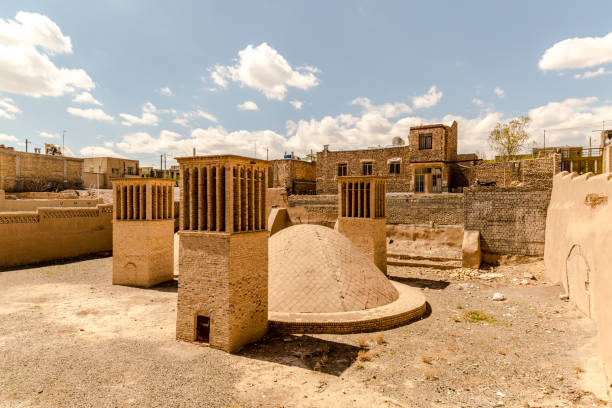
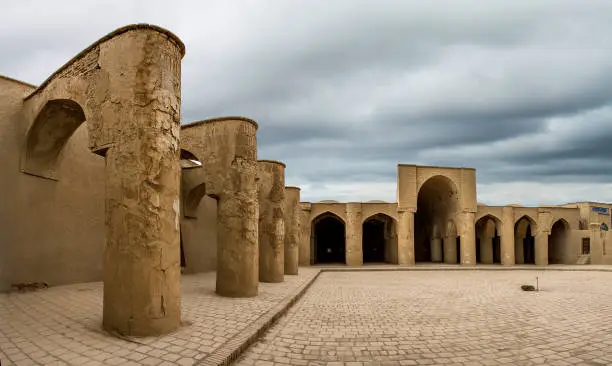
The city center revolves around a traditional bazaar where spices, textiles, and local craftsmanship are exchanged. The Great Mosque of Shahroud (Masjid-e Jame) showcases the characteristic brick architecture of the region. Mellat Park offers a pleasant promenade space for locals. At the edges of the city, the landscape alternates between wooded hills to the north and desert expanses to the south.
History and Context
Shahroud developed as a caravanserai relay on the route connecting Tehran to Khorasan. Its name roughly translates to "city river" in Persian, a reference to the waterway that irrigates the plain. The region has long been a strategic passage point between the central Iranian plateau and the eastern provinces. Shahroud Technical University, founded in the twentieth century, transformed the city into a regional academic hub.
Highlights of Your Visit
Badab-e Surt Springs
About two hours' drive to the northwest, these travertine terraces with ochre and red hues rank among Iran's most spectacular natural sites. The hot mineral springs have sculpted tiered basins on the mountainside. Late-afternoon light best reveals the nuances of the rock formations.
Shahroud Bazaar
The covered bazaar remains the economic and social heart of the city. You'll find spices from Khorasan, nuts, and regional products. Activity peaks in the morning, before the afternoon heat sets in.
Access to the Dasht-e Kavir Desert
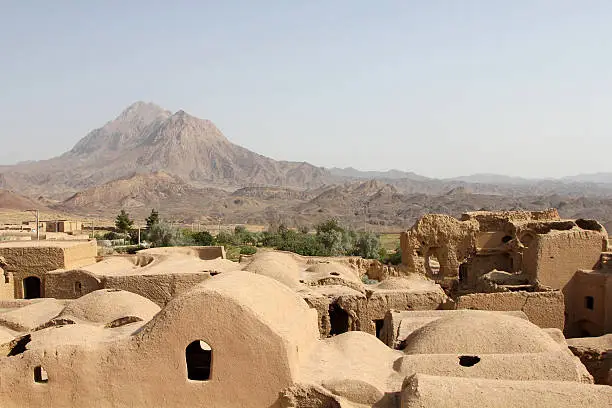
Shahroud is a launching point for excursions into the northern margins of the Dasht-e Kavir desert. Local agencies organize 4×4 outings to dune zones and abandoned caravanserais.
Photography Tips
For Badab-e Surt, favor the raking light of late day: the ferruginous hues of the terraces are most saturated then. In the bazaar, light filtering through brick screens creates interesting chiaroscuro effects mid-morning. Avoid the high sun, particularly harsh in summer.
Location and Access
Shahroud sits on the highway and railway axis Tehran–Mashhad, roughly 330 km east of Tehran. The railway station is served by long-distance trains connecting the two major cities; this is the most comfortable option. Regional intercity buses also link Shahroud to major cities in the area. By car, the city is accessible via the Tehran–Mashhad highway.
Nearby Attractions
Badab-e Surt — travertine terraces with mineral colors, one of Iran's most photographed natural sites.
Dasht-e Kavir Desert — the great salt desert of the Iranian plateau, accessible by excursion from Shahroud.
Semnan — the neighboring provincial capital, with a well-preserved Jame Mosque and historic bazaar.
Damghan — an ancient city to the west, known for its Seljuk brick tower and Sassanid remains.
Frequently asked questions
Spring (April–May) and autumn (September–October) offer pleasant temperatures. Summer is hot and dry; winter can be cold with snowfall on the surrounding heights.
As everywhere in Iran, women must wear a veil in public spaces. Shoulders and legs should be covered for both sexes. To enter mosques, wear loose-fitting clothing and remove your shoes at the entrance.
Yes, provided you leave early in the morning. The road to Badab-e Surt requires suitable ground clearance on the final section; a 4×4 or high-clearance vehicle is recommended. Plan for the full day to enjoy the site at leisure.
The train is the most practical option: several daily connections link Tehran to Shahroud on the line to Mashhad. Intercity buses also depart from Tehran. By car, expect three to four hours depending on traffic.
Local agencies offer excursions to Badab-e Surt and the desert. It's advisable to book in advance, especially during peak season, as suitable vehicles are limited.
Want to discover this destination?
Our local advisors design your tailor-made trip.