Varzaneh Desert
Varzaneh Desert
East of Isfahan, the Varzaneh Desert brings together golden dunes, salt marshes and a Safavid village with distinctive white veiling. A night here reveals one of Iran's most intense starry skies.
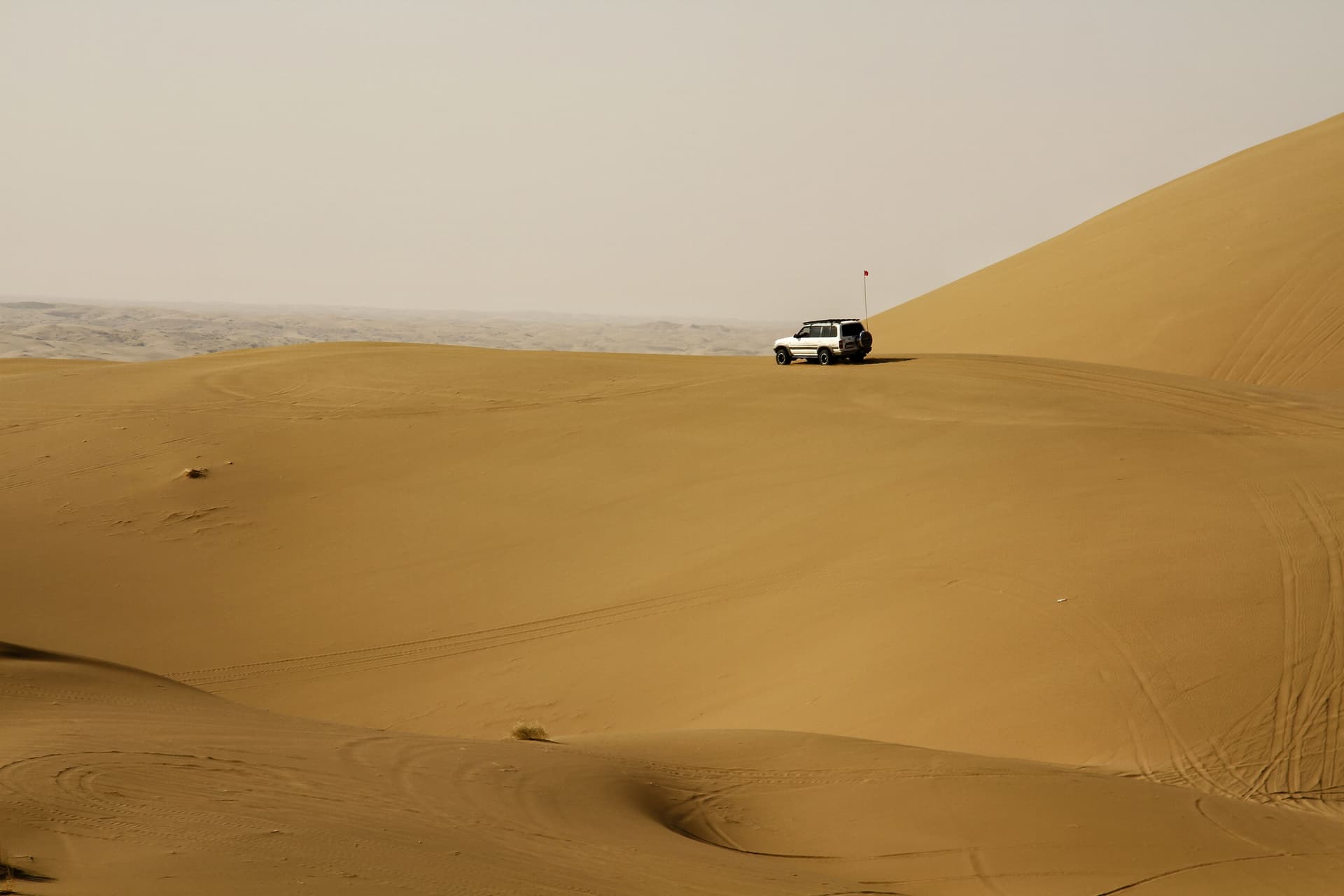
Varzaneh is a small oasis town located east of Isfahan, at the gateway to Iran's central desert (Dasht-e Kavir). Its fine sand dunes, salt marshes and mud-brick caravanserais make it one of the rare places in Iran where classical sand desert meets a still-inhabited historical village. The raking light of late afternoon transforms the dunes into golden sculptures, and the starlit night, far from any light pollution, is among the most intense in the country.
Practical information at a glance
- Access: Varzaneh is located about 100 km east of Isfahan via the main road; shared taxi or car rental from Isfahan.
- Recommended duration: A minimum of one night to enjoy the sunset over the dunes and the night sky.
- What to wear: Cover up against sand wind; Islamic dress codes apply in the village.
- Accessibility: Sand dunes are not wheelchair accessible.
What to see
The Varzaneh Desert comprises several distinct landscapes. The sand dunes stretch south of the village, tall and well-formed. The salt marshes (sebkhas) shimmer blindingly white in daylight. The village itself retains typical desert adobe architecture, with narrow streets and wind-tower houses (badgir).
History and context
Varzaneh was a caravanserai stop on trade routes linking Isfahan to cities in eastern Iran. Its Safavid bridge with multiple arches, spanning the dried-up Zayandeh Rud river, bears witness to the site's commercial importance under the Safavids (16th–18th centuries). The village has preserved its textile traditions: the women of Varzaneh still wear a distinctive white veil, rare in Iran.
Highlights of the visit
The dunes at sunset
The oblique late-afternoon light sculpts the dunes' ridges and brings out every grain of sand. This is the ideal moment to climb to the summit on foot and observe the contrast between the ochre sand and the violet sky.
The night sky
The absence of light pollution and the dry desert air offer exceptional visibility. The Milky Way is visible to the naked eye on moonless nights. Several local accommodations offer tent nights on the dunes.
The Safavid bridge and village
Varzaneh's historic bridge, spanning dozens of arches, is one of the best-preserved in the Isfahan region. A stroll through the village reveals mud-brick architecture and women in white veils, a traditional local costume still worn daily.
The salt marshes
In certain seasons, the sebkhas attract flamingos and other migratory birds. The crystallized salt surface creates spectacular mirror reflections in early morning.
Photography tips
The golden hour (one hour before sunset) is optimal on the dunes: long shadows, warm colors, absence of strong wind. For the salt marshes, sunrise offers mirror reflections before heat creates mirages. Avoid midday: the light is harsh and sand can dazzle. Protect your camera from fine sand with a waterproof bag.
Location and access
Varzaneh is located in Isfahan Province, east of the city of Isfahan. The road is paved and passable in an ordinary car. Shared taxis regularly depart from Isfahan's eastern terminal. No direct public transport is available from Tehran without a connection in Isfahan. On-site accommodation is limited to a few traditional guesthouses (ecolodge) and desert camps.
Nearby
- Naqsh-e Jahan Square, Isfahan — The grand Safavid royal square, the natural starting point before heading to Varzaneh.
- Si-o-Se Pol Bridge, Isfahan — The most famous 33-arch bridge over the Zayandeh Rud, for comparison with Varzaneh's Safavid bridge.
- Friday Mosque, Isfahan — Thousand-year-old architectural ensemble, to visit before heading out to the desert.
Frequently asked questions
Spring (March–April) and autumn (October–November) offer pleasant temperatures. Summer is very hot (over 40 °C during the day); winter can be cold at night but days remain mild and the sky is often clear.
An overnight stay is highly recommended to enjoy the sunset over the dunes and the starry sky. A day trip from Isfahan is possible but doesn't allow you to see the desert in its best light.
Some local accommodations offer camel rides and sandboarding on the dunes. Inquire directly at your guesthouse upon arrival.
Photography is free in public spaces and on the dunes. Always ask permission before photographing residents, particularly women in traditional white veils.
Spend two to three days in Isfahan, then head to Varzaneh for one or two nights before returning. The route is straightforward and doesn't require a mandatory guide, but a local driver familiar with the tracks can enrich your visit.
Interested in this visit?
We can include it in your personalised itinerary.