Shah-e Cheragh Mosque and Mausoleum
Shah-e Cheragh Mosque and Mausoleum
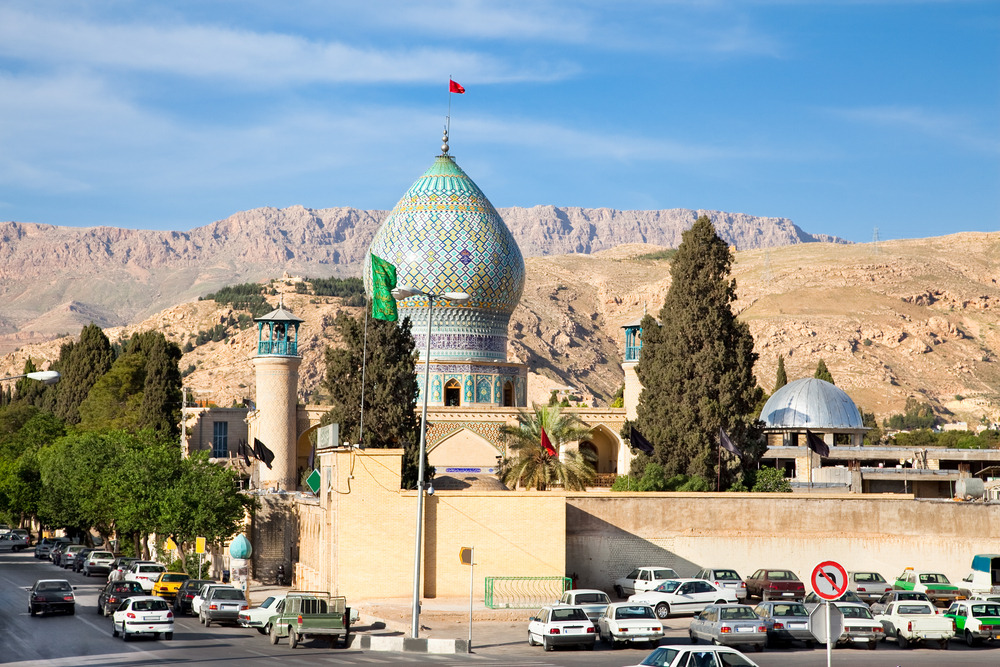
Shah-e Cheragh, "King of Light" in Persian, is the great Shia sanctuary of Shiraz. Its chambers entirely covered in mirror mosaics and golden domes make it one of Iran's most stunning religious sites.
Shah-e Cheragh — "King of Light" in Persian — is a mausoleum and Shia mosque located in the heart of Shiraz, in Fars Province. The sanctuary houses the tombs of Ahmad and Muhammad, brothers of Imam Ali ar-Ridha. Covered with thousands of cut mirror tiles, the interior produces a unique light effect. A major pilgrimage site for Shias worldwide, it remains open to non-Muslim visitors under certain conditions.
Practical Information at a Glance
- Admission: Free for Muslims; non-Muslims may access certain areas (rules vary, inquire on-site).
- Required dress code: Full headscarf for women, covering clothing for all; abayas are provided at the entrance.
- Footwear: Must be removed before entering interior chambers.
- Suggested duration: 45 minutes to 1.5 hours depending on your interest in architecture and atmosphere.
- Access: In downtown Shiraz, easily reached on foot from Vakil Bazaar.
What to See
The complex is organized around a large columned courtyard, flanked by two golden minarets. The main mausoleum chamber is entirely lined with mirror mosaics — ceilings, walls, columns — which fragment light into thousands of shimmering reflections. The two golden domes dominate Shiraz's urban skyline. Adjacent chambers house Quranic inscriptions and votive objects left by pilgrims.
History and Context
Ahmad ibn Musa, brother of Imam Ali ar-Ridha, sought refuge in Shiraz during the 9th century to escape Abbasid persecution. He died and was buried on this site. His brother Muhammad rests in an adjacent mausoleum. The sanctuary gained importance under the Ilkhanates in the 14th century, then was embellished under the Safavids and Qajars. Restoration and expansion work continued through the 20th century.
Highlights of Your Visit
The Mirror Chamber
The interior of the main mausoleum is the most striking moment. Millions of mirror fragments cover every surface. Light from the chandeliers multiplies infinitely, creating an atmosphere at once solemn and dazzling. The effect is particularly intense around Ahmad's cenotaph, surrounded by intricately carved silver grilles.
The Courtyard and Minarets
The large interior courtyard offers an overview of the two golden minarets and domes. In late afternoon, raking light brings out the details of blue and gold tilework. It's also where pilgrims pray, recite the Quran, or simply sit in contemplation.
The Pilgrimage Atmosphere
Shah-e Cheragh is a living place of devotion, not a static museum. Watching Iranian families in prayer, women in black chadors, children running through the courtyard — this human dimension is as important as the architecture itself.
Etiquette and Visiting Rules
- Headscarf mandatory for women upon entering the complex; abayas are available free at reception.
- Men: long sleeves and long trousers required.
- Shoes must be removed before entering covered chambers.
- Speak quietly in prayer halls and near tombs.
- Avoid crossing prayer spaces during services.
- Non-Muslim access to certain inner areas may be restricted on particular days or during religious periods.
Photography Tips
The mirror chamber is challenging to photograph: artificial light creates complex reflections. A smartphone in night mode or a camera with good highlights management yields better results. Avoid flash, which disturbs worshippers. The exterior courtyard photographs well in late afternoon, when golden light strikes the minarets. Always ask permission before photographing people.
Location and Access
Shah-e Cheragh sits in Shiraz's historic center, minutes on foot from Vakil Bazaar and the Vakil Mosque. The site is accessible on foot from most downtown hotels. Taxis and city buses serve the neighborhood. Wheelchair access to the main courtyard is possible, but interior chambers have thresholds and stairs.
Nearby Attractions
- Vakil Bazaar — Shiraz's grand covered bazaar, minutes away on foot, ideal for crafts and spices.
- Vakil Mosque — 18th-century mosque with twisted columns, an emblem of Zand architecture.
- Arg-e Karim Khan Citadel — Zand fortress in central Shiraz, a short walk away.
- Eram Garden — UNESCO-listed Persian garden, with its Qajar pavilion and century-old cypress trees.
- Persepolis — Ruins of the Achaemenid capital, about an hour's drive from Shiraz.
Frequently asked questions
Yes, non-Muslim visitors are generally admitted to the courtyard and certain chambers. Access to the most sacred areas may be restricted depending on the day or religious periods. Inquire at the entrance with the attendants.
Women must wear a headscarf and covering clothes (long sleeves, legs covered). Abayas are provided free at the entrance. Men must wear long sleeves and long trousers.
Spring (March-May) and autumn (September-November) offer pleasant temperatures in Shiraz. During Muharram and Ashura commemorations, pilgrim crowds are very large and access may be modified.
Yes. Shah-e Cheragh is minutes on foot from Vakil Bazaar, Vakil Mosque, and Arg-e Karim Khan Citadel. Half a day is enough to visit these three sites together.
Photography is generally tolerated in the courtyard and certain chambers, but forbidden or discouraged near tombs during prayers. Avoid flash and ask permission before photographing people.
Plan for 45 minutes to 1.5 hours. A quick tour of the courtyard and mirror chamber takes about 45 minutes; if you wish to observe the pilgrimage atmosphere and explore adjacent chambers, allow more time.
Interested in this visit?
We can include it in your personalised itinerary.